



A shirt catches a splash of olive oil while dinner’s being plated. A school uniform picks up a greasy handprint near the car. Workwear comes back from the garage with a dark patch that didn’t show until it dried. That sinking feeling is familiar because oil stains look permanent long before they are.
Most of the time, the stain can be removed. The trick is choosing the method by fabric type, not by whatever random home remedy happens to be closest to the sink. Timing matters too. Fresh cooking oil on cotton behaves very differently from an old engine grease mark on a synthetic polo, and both need a gentler hand than merino wool.
There’s another reason this matters beyond saving one garment. Textiles represent 4.2% of total waste, with only 12 to 15% recovered, and restoring just 30% of oil-stained clothing could reduce annual textile waste by up to 100,000 tonnes according to textile waste data referenced in Australia-focused sustainability discussions. Good stain removal keeps clothing in use longer. In practical terms, that means fewer “bin it” decisions over one greasy mark.
Table of Contents
- That Sinking Feeling When Oil Meets Fabric
- Your First 30 Minutes Immediate Action for Fresh Stains
- Choosing Your Pre-Treatment Weapon DIY vs Professional
- The All-Important Wash and Dry Method
- Tackling Tough Stains and Tricky Fabrics
- When to Call a Professional Cleaner
That Sinking Feeling When Oil Meets Fabric
You tip olive oil onto dinner, catch the spill with your sleeve, and the mark goes dark before you even stand up. That first glance tells you two things. Oil moves fast, and the wrong response can make a simple clean-up much harder.
The best question at this point is not “what stain remover do I have?” It’s “what is this fabric made of?” In Australian homes, I see the same spread over and over. Cotton school uniforms, linen shirts, polyester activewear, workwear blends, and fine merino wool. Oil behaves differently on each one, so the safest effective method changes with the garment.
Why fabric comes first
Oil grabs onto fibres in different ways. Natural fibres such as cotton and linen often absorb oil deep into the yarn, but they can usually handle stronger washing and more agitation. Synthetics like polyester do not always soak up oil as thoroughly, yet they tend to hold greasy residue stubbornly on the fibre surface. That is why activewear can come out of the wash looking clean, then show a dull shadow once it dries.
Wool is its own category. Merino, in particular, needs a lighter hand. Scrubbing, hot water, or an aggressive degreaser can rough up the fibre, distort the shape, or leave you with a stain-free jumper that no longer fits properly.
Practical rule: Read the care label first. Then match the stain treatment to the fabric’s tolerance for water, heat, and rubbing.
Water quality also plays a part. In hard-water areas, detergents and soaps can leave behind residue that traps oil instead of lifting it cleanly away. If you have ever washed a greasy tea towel twice and still felt a slick patch, that is often part of the problem. In those cases, product choice matters more than people expect.
A clean white cotton tee gives you room to be more assertive. A dark rayon blouse, a lined jacket, or a merino knit does not. That trade-off is the heart of a fabric-first approach. Push too hard and you damage the item. Go too gently on the wrong fabric and the oil stays put.
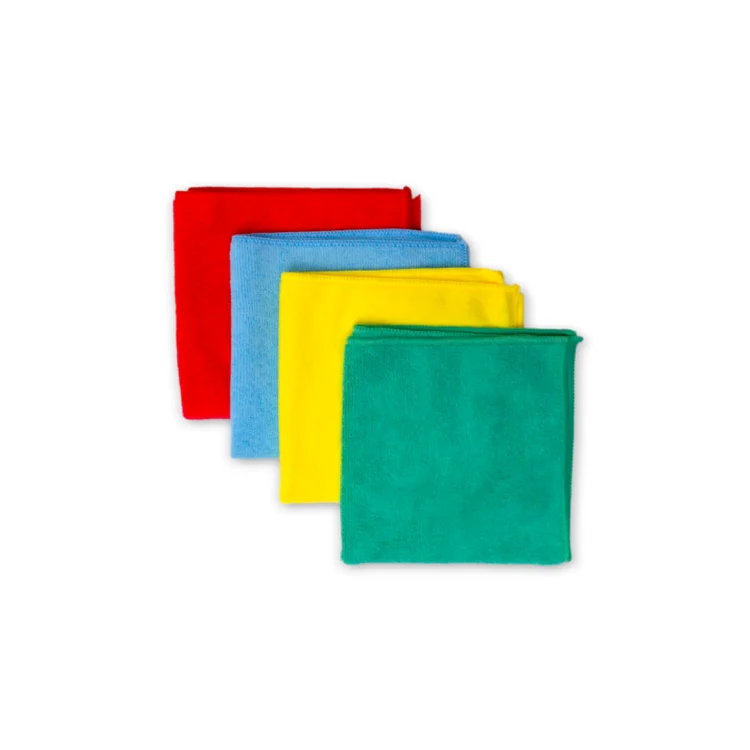
For the initial blotting stage, I prefer low-lint wipes or a clean absorbent cloth over whatever paper is closest to hand. If you want a reliable option for the laundry or car, Wypall cleaning wipes for stain blotting do the job neatly without falling apart on contact.
Three details shape your odds of success:
- Fibre type: Cotton, linen, synthetics, silk, and merino all respond differently.
- Colour and finish: Dark dyes, coatings, and performance finishes can react badly to harsh products.
- How much handling the item can take: Some garments can handle a proper pre-treatment and wash. Others need a gentler method or professional care.
Getting those calls right at the start saves more clothes than any miracle hack.
Your First 30 Minutes Immediate Action for Fresh Stains
The first half-hour matters because fresh oil is still loose enough to absorb and lift. Once it spreads through the fibres, every later step gets harder. The right move isn’t dramatic. It’s simple and controlled.

What to do straight away
Start by laying the item flat. If the stain is wet or glossy, press a clean dry cloth or paper towel onto it. Lift. Press again. Keep changing to a clean area so the oil isn’t transferred back.
Don’t rub in circles. Don’t scrub with a wet cloth. Don’t hold it under the tap as the first step.
After blotting, cover the stained area with an absorbent powder such as baking soda, cornflour or salt. A generous layer works better than a light dusting because the aim is to pull surface oil upward before pre-treatment begins.
Fresh oil responds best when the surface load is removed first. Less oil left in the fibres means the detergent has less work to do later.
The quick response sequence
For most washable everyday fabrics, this order is reliable:
- Blot gently: Use paper towel, a dry cloth, or a clean rag.
- Apply powder: Cover the whole mark, including the faint outer ring.
- Leave it alone: Give the powder time to absorb. If it clumps, that’s useful. It means it’s pulling oil out.
- Brush or scrape off carefully: A spoon edge, soft brush, or fingernail through a cloth can lift it without roughening the fabric.
- Move to pre-treatment: Don’t stop at powder alone. It absorbs excess oil but rarely finishes the job.
A wipe can help with the initial blotting stage when someone is away from the laundry. A sturdy option such as Wypall cleaning wipes for quick grease blotting is useful in cars, workshops, lunch bags, or caravans where stains often happen away from home.
What usually makes it worse
A lot of failed stain jobs start with good intentions and the wrong sequence.
- Rinsing first: Water can spread the patch before any oil has been lifted.
- Rubbing hard: This pushes grease deeper and can distort delicate fibres.
- Using too much product too early: Thick layers of detergent on a fresh slick stain can turn it into a bigger, gummy patch.
- Applying heat: Hairdryers, hot irons, and sunny-window “drying” before washing can make removal harder.
For fresh spills, patience for a few minutes beats force. Oil stains often look dramatic at first, but the early response is mostly about restraint.
Choosing Your Pre-Treatment Weapon DIY vs Professional
Once excess oil has been blotted and absorbed, pre-treatment performs the main stain-breaking work. At this stage, individuals often either achieve an excellent result or inadvertently create a bigger problem by choosing a product that’s too harsh for the fabric.
Across Australian households, this is a common issue. More than 70% of homes encounter significant oil stains monthly, over 60% rely on home remedies, and tests show the dish soap method can remove 80 to 90% of fresh oil stains in a single wash cycle according to Australian-focused laundry guidance on oil and grease removal. That explains why dish soap remains the default first choice for many homes.
What works on most washable fabrics
For sturdy, washable garments such as cotton tees, school uniforms, many poly-cotton blends and casual linen, a small amount of dishwashing liquid is still one of the strongest DIY options. It’s built to cut grease through surfactants, so it’s well suited to fresh food oils and body oils.
Apply a small amount directly to the stain. Work it in lightly with fingertips or a soft brush. The fabric should be coated, not saturated. Let it sit briefly, then move to washing.
A dedicated stain remover can be the better option when the mark is larger, older, or greasy enough that dish soap alone may struggle. In those cases, an enzyme-based or fabric-safe pre-treatment from the Star Cleaner Shop’s eco-friendly cleaning products can give better control than a harsh all-purpose degreaser.
Dish soap is often the best first DIY tool for fresh cooking oils. It isn’t automatically the best choice for every fabric.
Pre-Treatment Options at a Glance
| Method | Best For | Pros | Cons |
|---|---|---|---|
| Dishwashing liquid | Fresh cooking oil on sturdy washable fabrics | Easy to find, grease-cutting, simple to apply | Can be too aggressive for some delicates or dyed finishes |
| Baking soda or cornflour before detergent | Very fresh spills with visible surface oil | Lifts excess oil before washing, low effort | Usually needs a second product afterwards |
| Enzyme-based stain remover | Older stains, larger marks, repeat treatment | More targeted than basic soap, helpful for stubborn residue | Needs label checking and fabric testing |
| Fabric-specific pH-neutral product | Wool, delicate blends, colour-sensitive garments | Gentler on fibres and finish | Slower and usually more specialised |
| Professional solvent treatment | Valuable items, dry-clean-only labels, persistent stains | Stronger stain-lifting options with lower risk to the garment when handled properly | Costs more and needs booking |
DIY versus professional-grade products
The trade-off is straightforward. DIY methods are convenient and often excellent for fresh stains on durable garments. Professional-grade products are better when the garment itself needs protection as much as the stain needs removal.
That’s especially true for workwear, uniforms and items with strong dyes. Cheap degreasers can strip colour, leave a ring, or affect the feel of the fabric even when the oil lightens.
A sensible rule is to match the product to the risk:
- Low-risk garment, fresh stain: dish soap is usually enough.
- Moderate-risk garment, older stain: use a purpose-made stain remover.
- High-risk garment, delicate fabric, expensive item: skip experimentation.
The All-Important Wash and Dry Method
Pre-treatment gets the oil moving. Washing decides whether it leaves the garment or settles back into it. This stage needs less guesswork and more attention to the care label.
Getting the wash settings right
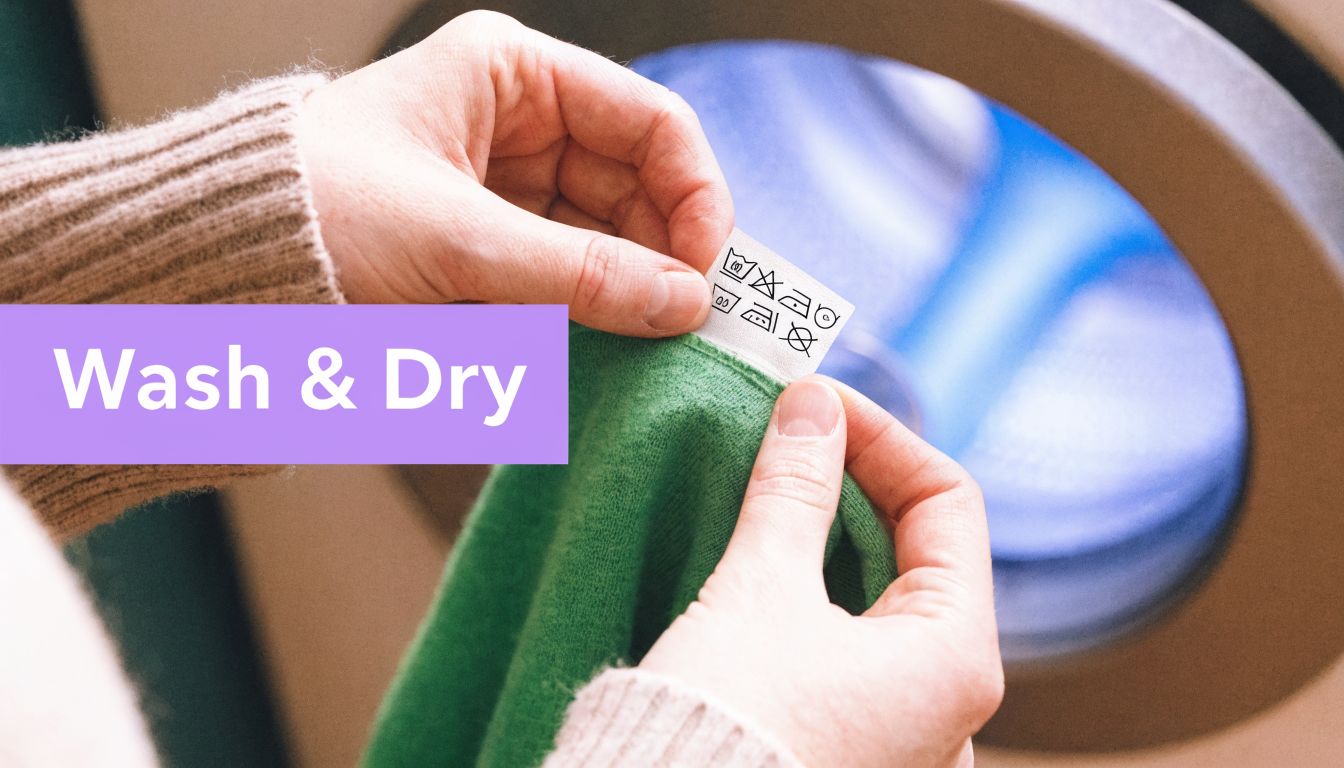
Check the garment label first and use the warmest wash the fabric safely allows. Warmth helps with oily residue, but too much heat can shrink, distort, or dull the item. That’s why care labels matter more than laundry myths.
Use a quality detergent with enough cleaning power to carry the loosened oil away. For everyday loads, a product such as Agar laundry detergent for household washing is a sensible option because reliable detergency matters once the pre-treatment has done its part.
For households trying to reduce residue and wastewater load, it’s also worth reading about the benefits of phosphate-free laundry because detergent choice can affect both rinsing performance and fabric feel over time.
Why air drying matters
The washing machine doesn’t get the final word. The inspection after washing does.
Take the item out and check the stained area in good light while it’s still damp. If there’s any darkening, shadowing, or slick feel left in the fibres, don’t put it in the dryer. Heat can make a partially removed stain much harder to shift later.
A simple post-wash check works best:
- Look at both sides: Some stains show more clearly from the inside.
- Touch the area: Lingering oil often feels slightly stiff or slippery.
- Air dry first: This keeps the stain reversible if another round is needed.
Heat should only touch the garment once the stain has fully gone.
If residue remains, repeat the pre-treatment and wash again. It’s slower, but it’s safer than trying to blast the problem away with hotter settings.
Tackling Tough Stains and Tricky Fabrics
Some garments need a different playbook. The standard blot, dish soap and wash routine can work beautifully on a cotton T-shirt, then go badly wrong on merino wool, silk-look fabric, or colour-sensitive synthetic workwear.
The gap in most stain guides is fabric sensitivity. Standard DIY methods often fail on delicate fabrics. With 68% of Australian households owning wool garments, home remedies causing colour fading in 40% of synthetic work uniforms, and professional pre-treatment showing a 5% failure rate compared with 25% for DIY on delicates, fabric-specific and pH-neutral products matter according to guidance discussing oil removal on clothing and delicate-care limits.
Delicates need a different approach
Merino wool, silk blends, rayon and lined garments don’t respond well to aggressive scrubbing. Friction can rough up the surface, leave a pale patch, or distort the weave. With wool in particular, agitation can change the texture before the stain is even gone.
For delicate items:
- Blot, don’t press hard: Light contact is enough.
- Skip rough brushes: Fingertips through a cloth or a very soft brush is safer.
- Use a pH-neutral, fabric-safe product: General degreasers are risky here.
- Wash cold or according to the label: Delicate fibres don’t improve under force.
If the item says dry clean only, that instruction should be taken seriously. Oil removal on those garments often depends as much on solvent choice as on stain technique.
Set-in stains on sturdier items
Older oil stains on cotton drill, denim, aprons, sportswear and synthetic uniforms can usually handle a stronger method. The challenge is that a set-in stain often has two layers. There’s the original oil, and then there’s the residue left after a failed wash or a tumble dry cycle.
In those cases, a stronger pre-treatment or repeated controlled washing may be needed. A targeted degreaser can help on sturdy fabrics, but it should always be spot-tested in a hidden area first. The same goes for anything sold as a mechanic’s cleaner or solvent spray.
A useful parallel exists in upholstery care. Guidance on DIY fabric sofa cleaning shows the same principle: the material decides the product, not the stain alone. Clothing needs the same restraint.
A darker, older stain doesn’t always need harsher chemistry. Sometimes it needs a safer product, more dwell time, and no heat.
Leather is another special case. Water-based washing isn’t the right move. Blotting and dry absorbents are safer, and valuable leather items are usually best left to specialist care if the mark remains.
When to Call a Professional Cleaner
People often assume a stain is either easy or impossible. In reality, there’s a middle category. The stain can still be removed, but home laundering has reached its limit.
Hard water is one reason. Hard water is present in 70% of Australian regions and can reduce detergent efficacy by 50%, while vinegar can worsen the issue in hard water. University findings referenced in recent guidance report that enzyme pre-soaks with water softeners are more effective according to oil-stain removal advice that discusses hard-water interference. That’s why one household gets a result with basic dish soap while another keeps rewashing the same patch.
Signs the home method has reached its limit
Repeated washing without progress is a sign to stop. So is any item that’s expensive, sentimental, structured, lined, or labelled for specialist care. More attempts don’t always mean a better outcome. Sometimes they just weaken the fabric around the stain.
Professional help is sensible when:
- The stain has been tumble dried already
- The garment is wool, silk, leather, structured, or dry-clean-only
- The colour starts shifting before the stain lifts
- The item has already been treated multiple times
- Local water quality keeps interfering with results
What to ask before booking help
A cleaner should be able to explain the process clearly. That includes whether the stain is likely oil-based, whether the garment can be safely treated, and whether the risk is in the stain or the fabric finish.
It also helps to understand how cleaning services work in Australia so expectations are clear before a garment or household textile is handed over. Reliable operators will ask the right questions first. They won’t just promise a miracle and start pouring product onto the stain.
For many stubborn clothing stains, the smartest move isn’t another internet trick. It’s stopping before the garment is damaged.
If an oil stain has gone beyond a safe DIY fix, Star Cleaner Australia Pty Ltd is a dependable next step. The platform connects households and businesses with reliable, safety-checked operators, and every job is backed by a 100% satisfaction guarantee. For families, property managers and busy households that need practical help rather than guesswork, Star Cleaner Australia offers a safer path to restoring garments and household textiles properly.
Built with Outrank app