



Commercial cleaning industry is growing faster
The commercial cleaning industry in Australia is growing faster than ever, and it’s not just a short-term spike. What was once considered a basic maintenance service is now a core part of business operations across offices, healthcare facilities, schools, retail spaces, and industrial sites.
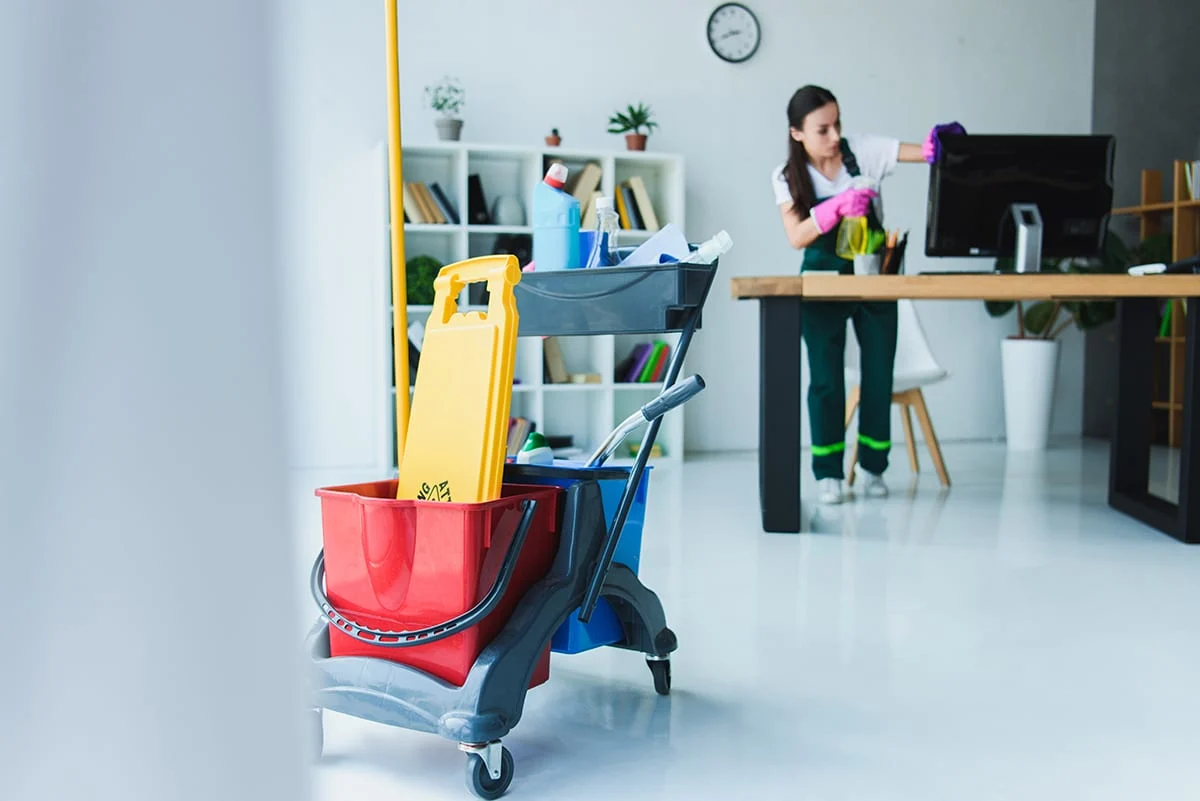
Driven by stricter hygiene standards, outsourcing trends, sustainability demands, and ongoing technological advancements, the sector has become one of the most resilient and steadily expanding industries in the country. Businesses are no longer viewing cleaning as a simple operational cost. Instead, it is now seen as a strategic investment that directly impacts health, productivity, brand reputation, and compliance.
As Australia continues to evolve post-pandemic, the demand for reliable, professional cleaning services is only increasing. This article explores the real reasons behind this rapid growth, backed by data, industry insights, and future trends shaping the sector.
The Numbers: Strong Growth Across Australia
The data clearly shows a strong and stable upward trend in the industry:
Commercial Cleaning Industry – Key Market Data
| Metric | Data |
|---|---|
| Global Market Size (2025) | $262B – $468B |
| Projected Market Size | $443B – $734B |
| Annual Growth Rate | 4.5% – 7% |
| Offices Outsourcing Cleaning | ~68% |
| Companies Using Eco-Friendly Products | 80%+ |
| Australian Market Size | AUD $19B+ |
| Workforce in Australia | 200,000+ employees |
Australia alone contributes significantly to the global market. The industry has shown resilience even during economic downturns, maintaining steady growth rates of around 3–5% annually.
There are now more than 35,000 cleaning businesses operating across the country, ranging from small local operators to large commercial service providers. This growth reflects how essential cleaning services have become in maintaining safe and functional work environments.
Additional projections from Fortune Business Insights also highlight strong long-term growth, with the market expected to reach new highs over the next decade.
1. Hygiene Standards Have Changed for Good
The COVID-19 pandemic permanently reshaped how Australian businesses approach cleanliness. Before the pandemic, cleaning was often limited to basic daily tasks. Today, expectations have shifted dramatically.
Workplaces are now required to maintain much higher hygiene standards, including:
- Regular sanitisation of high-touch surfaces such as door handles, desks, and shared equipment
- Increased cleaning frequency throughout the day
- Strict compliance with workplace health and safety regulations
- Enhanced infection control procedures
This shift has turned cleaning into a key part of risk management.
Businesses now understand that poor hygiene can lead to:
- Increased employee absenteeism
- Reduced productivity
- Higher risk of illness outbreaks
- Damage to brand reputation
A clean and hygienic workplace creates a safer environment for employees and customers while also improving overall confidence in the business. In many industries, especially healthcare and hospitality, maintaining high cleanliness standards is no longer optional. It is a requirement.
2. More Aussie Businesses Are Outsourcing Cleaning
One of the biggest drivers behind the growth of the commercial cleaning industry is the shift toward outsourcing.
Instead of managing in-house cleaning teams, many Australian businesses now prefer to work with professional cleaning providers. This trend is growing across offices, retail centres, warehouses, and even educational institutions.
Why outsourcing is increasing:
- Cost efficiency: Businesses save on wages, training, and equipment
- Consistency: Professional cleaners follow structured processes and quality standards
- Expertise: Access to trained staff with specialised knowledge
- Compliance: Easier to meet health and safety regulations
- Flexibility: Services can be scaled up or down based on needs
Outsourcing also allows companies to focus on their core operations rather than managing cleaning staff. This is especially important for growing businesses that need to allocate resources efficiently.
In today’s competitive environment, outsourcing cleaning services is no longer just a convenience. It is a smart operational decision.
3. Technology Is Changing How Cleaning Gets Done
The commercial cleaning industry is no longer labour-intensive in the traditional sense. Technology is playing a major role in transforming how cleaning services are delivered across Australia.
Modern cleaning companies are adopting advanced tools and systems to improve efficiency, accuracy, and consistency.
Key technological advancements include:
- Automated floor scrubbers used in shopping centres, airports, and large offices
- Robotic cleaning machines designed for continuous operation in large facilities
- Smart scheduling systems that optimise cleaning based on usage patterns
- Real-time reporting tools to track cleaning performance and accountability
- IoT-enabled sensors that monitor cleanliness levels and trigger cleaning tasks
These innovations allow cleaning companies to deliver better results with fewer resources. They also help reduce human error and ensure consistent service quality across multiple locations.
Technology is not replacing workers but enhancing their efficiency. It allows cleaning teams to focus on more detailed and specialised tasks while automation handles repetitive work.
4. Sustainability Is a Big Focus in Australia
Sustainability is no longer a trend. It is a major expectation in the Australian business environment.
Many organisations are actively working to reduce their environmental impact, and cleaning services play a significant role in achieving this goal.
Eco-friendly cleaning practices include:
- Use of non-toxic, biodegradable cleaning products
- Reduced chemical usage to protect indoor air quality
- Water-efficient cleaning methods
- Microfibre technology to minimise waste
- Green-certified cleaning solutions
More than 80% of cleaning companies now use eco-friendly products in some capacity. Clients are increasingly choosing providers that align with their environmental values and sustainability targets.
For businesses, adopting green cleaning practices offers several benefits:
- Healthier indoor environments
- Reduced environmental footprint
- Improved brand image
- Compliance with environmental regulations
Sustainability is becoming a key differentiator in the cleaning industry. Companies that fail to adapt risk falling behind.
5. Demand Across Key Australian Sectors
The growth of the commercial cleaning industry is being driven by demand across multiple sectors. Each sector has its own unique requirements, creating diverse opportunities for service providers.
Healthcare
Hospitals, clinics, and aged care facilities require strict cleaning protocols to prevent infections and maintain patient safety. Cleaning in this sector is highly specialised and regulated.
Education
Schools and universities need consistent cleaning to ensure safe and healthy learning environments. High student traffic increases the need for regular maintenance.
Retail & Shopping Centres
Retail spaces experience heavy foot traffic daily, requiring frequent cleaning to maintain appearance and hygiene standards.
Hospitality
Hotels, restaurants, and event venues must meet high cleanliness expectations to maintain customer satisfaction and comply with regulations.
Industrial & Warehousing
Factories and warehouses require specialised cleaning for safety, equipment maintenance, and compliance with industry standards.
Each of these sectors creates ongoing, recurring demand, which is one of the main reasons the industry continues to grow steadily.
6. A Reliable and Growing Employment Sector
The commercial cleaning industry is one of the largest employment sectors in Australia.
- Over 200,000 people are employed in cleaning services
- Jobs are available in both metropolitan and regional areas
- The industry offers flexible work opportunities
- Entry barriers are relatively low, making it accessible
As new businesses open and commercial spaces expand, the demand for cleaning staff continues to rise.
The sector also supports economic growth by:
- Creating job opportunities
- Supporting small and medium businesses
- Contributing to local economies
With consistent demand and steady growth, cleaning remains a stable and reliable career path for many Australians.
7. Regulatory Compliance and Workplace Safety
Another important factor driving industry growth is the increasing focus on compliance and workplace safety.
Australian businesses must adhere to strict regulations related to:
- Workplace health and safety (WHS)
- Infection control standards
- Environmental protection guidelines
Professional cleaning companies are trained to meet these requirements, reducing the risk of non-compliance for businesses.
Failing to maintain proper hygiene standards can result in:
- Legal penalties
- Workplace shutdowns
- Reputational damage
This has made professional cleaning services essential for businesses that want to operate safely and legally.
Businesses must also align with national workplace safety standards outlined by Safe Work Australia.
8. The Role of Cleaning in Business Reputation
Cleanliness directly impacts how customers perceive a business.
Whether it’s an office, retail store, or hotel, the level of cleanliness influences:
- Customer trust
- Brand image
- Customer satisfaction
- Repeat business
A poorly maintained space can quickly damage a company’s reputation, while a clean and well-maintained environment creates a positive impression.
In competitive industries, this can make a significant difference in attracting and retaining customers.
9. What the Future Looks Like
The future of the commercial cleaning industry in Australia looks strong and stable.
Key trends shaping the future:
- Increased adoption of automation and robotics
- Growth in specialised cleaning services
- Continued focus on sustainability
- Higher hygiene standards across all industries
- Integration of smart technologies and data analytics
As businesses continue to prioritise health, safety, and efficiency, the demand for professional cleaning services will only increase.
10. Cost vs Value: Why Businesses Are Increasing Cleaning Budgets
One of the biggest shifts in recent years is how businesses view cleaning costs. Previously, cleaning was treated as a fixed expense to be minimised. Today, it is increasingly seen as an investment that delivers measurable returns.
Direct business benefits include:
- Reduced employee sick days
- Improved workplace productivity
- Lower long-term maintenance costs
- Better customer retention
For example, a well-maintained office environment reduces the spread of illness, which directly impacts workforce availability. Even a small reduction in absenteeism can lead to significant cost savings over time.
In industries like hospitality and retail, cleanliness also affects revenue. Customers are far more likely to return to a clean and well-maintained environment.
This shift in mindset is one of the key reasons why cleaning budgets are increasing across Australian businesses.
11. The Rise of Specialised Cleaning Services
Another major factor contributing to industry growth is the increasing demand for specialised cleaning services.
Not all cleaning jobs are the same anymore. Different environments require different expertise, equipment, and compliance standards.
Common specialised services include:
- Medical and healthcare cleaning
- Industrial and warehouse cleaning
- Post-construction cleaning
- High-rise window cleaning
- Carpet and upholstery deep cleaning
- Biohazard and infection control cleaning
These services often require:
- Certified training
- Advanced equipment
- Strict safety procedures
Because of this, businesses prefer hiring professionals rather than attempting to manage these tasks internally.
Specialisation also allows cleaning companies to charge premium rates, contributing to overall industry revenue growth.
12. The Impact of Urbanisation and Infrastructure Growth
Australia’s growing population and ongoing urban development are also playing a major role in driving demand.
As cities expand, so does the number of:
- Office buildings
- Shopping centres
- Hospitals and clinics
- Educational institutions
- Industrial facilities
Every new building creates long-term demand for cleaning services.
Unlike construction, which is a one-time project, cleaning is a recurring need. This makes the industry highly stable and predictable.
Urbanisation is especially strong in cities like Sydney, Melbourne, and Brisbane, where commercial spaces are expanding rapidly. This creates continuous opportunities for cleaning service providers.
13. Health and Productivity: The Hidden Link
There is a growing body of evidence showing a strong connection between workplace cleanliness and employee performance.
Clean environments contribute to:
- Better air quality
- Reduced allergens and bacteria
- Lower stress levels
- Improved focus and morale
Employees working in clean spaces are generally more productive and take fewer sick days.
In contrast, poorly maintained workplaces can lead to:
- Increased health complaints
- Reduced efficiency
- Higher staff turnover
For employers, this makes professional cleaning a practical investment in workforce performance.
14. The Role of Training and Professional Standards
The commercial cleaning industry is becoming more structured and professionalised.
Modern cleaning companies invest heavily in:
- Staff training programs
- Safety certifications
- Industry compliance standards
- Quality control systems
This ensures that cleaning is done:
- Safely
- Efficiently
- Consistently
Professional training is especially important in environments like healthcare and industrial facilities, where improper cleaning can lead to serious risks.
As standards continue to rise, businesses are more likely to choose certified and experienced providers over untrained cleaners.
15. Challenges Facing the Industry
While the industry is growing, it is not without challenges.
Key challenges include:
- Labour shortages in certain regions
- Rising operational costs (wages, equipment, supplies)
- Increased competition among service providers
- Higher client expectations
To stay competitive, cleaning companies must:
- Invest in technology
- Focus on staff retention
- Maintain high service quality
- Adapt to changing client needs
These challenges are also pushing innovation, which ultimately strengthens the industry.
16. Why Small and Medium Businesses Are Driving Demand
Large corporations are not the only contributors to industry growth. Small and medium businesses (SMEs) are playing a significant role.
Many SMEs are now:
- Leasing office spaces
- Opening retail outlets
- Expanding operations
These businesses often do not have the resources to manage in-house cleaning, making outsourcing the preferred option.
As the SME sector grows in Australia, so does the demand for flexible and affordable cleaning services.
17. How Cleaning Supports Compliance and Audits
Compliance is becoming increasingly important across all industries in Australia.
Businesses must meet strict standards related to:
- Workplace safety
- Hygiene regulations
- Environmental policies
Professional cleaning services help businesses stay compliant by:
- Following industry-approved procedures
- Using certified products
- Maintaining proper documentation
This is particularly important during inspections and audits.
Failing compliance checks can result in fines or operational disruptions, making professional cleaning a necessary safeguard.
18. Customer Expectations Are Higher Than Ever
Today’s customers notice cleanliness more than ever before.
Whether visiting a retail store, office, or hotel, people expect:
- Clean surfaces
- Fresh-smelling environments
- Well-maintained facilities
Online reviews have made this even more important. A single negative comment about cleanliness can impact a business’s reputation.
As a result, companies are investing more in cleaning to ensure they meet customer expectations consistently.
19. The Competitive Advantage of Professional Cleaning
Businesses that invest in professional cleaning gain a clear competitive edge.
Advantages include:
- Better first impressions
- Increased customer trust
- Improved employee satisfaction
- Stronger brand image
In crowded markets, even small details like cleanliness can influence customer decisions.
A clean environment communicates professionalism, reliability, and attention to detail.
20. Long-Term Outlook: Why Growth Will Continue
All signs point to continued growth in the commercial cleaning industry.
Key reasons include:
- Ongoing focus on health and hygiene
- Expansion of commercial infrastructure
- Increasing outsourcing trends
- Rising environmental awareness
- Advancements in cleaning technology
Cleaning is a recurring need that does not disappear, regardless of economic conditions.
This makes the industry one of the most stable and future-proof sectors in Australia.
Final Thoughts
The commercial cleaning industry in Australia has undergone a major transformation. It is no longer a background service but a vital part of how businesses operate and succeed.
From improving health and safety to supporting productivity and compliance, professional cleaning services deliver real value.
As expectations continue to rise and industries evolve, the demand for high-quality cleaning services will only increase.
For businesses, the decision is no longer whether to invest in cleaning, but how to choose the right provider to meet their needs.
How big is the commercial cleaning industry in Australia?
The industry is valued at over AUD $19 billion and continues to grow steadily each year.
Why are Australian businesses outsourcing cleaning services?
Outsourcing reduces costs, ensures consistent quality, and allows businesses to focus on their core operations.
Is there strong demand for commercial cleaning in Australia?
Yes, demand is high across healthcare, retail, education, and commercial sectors.
Are eco-friendly cleaning services important in Australia?
Yes, many businesses prefer environmentally responsible cleaning solutions to meet sustainability goals.
What trends are shaping the future of the industry?
Automation, green cleaning, stricter hygiene standards, and advanced technology are driving future growth.