


Scrolling generic ads for cleaning jobs in sydney usually feels the same. The pay is vague, the scope is unclear, and half the listings don't tell a newcomer whether the work is regular, one-off, residential, commercial, or something more specialised.
That is where many job seekers find themselves stuck. They look for a vacancy instead of building a career path. Sydney's cleaning sector is large enough to support that bigger view. The commercial-cleaning and cleaning services sector employed 209,159 people in Australia in 2025, with compound annual growth of about 5.5% from 2020 to 2025, according to IBISWorld's commercial cleaning employment data. For someone starting out, that matters. It means this isn't fringe work. It's a real services market with repeat demand, room to specialise, and space for reliable operators to build steady income.
Table of Contents
- Your Starting Point for a Cleaning Career in Sydney
- The Landscape of Cleaning Work in Sydney
- Where to Find Quality Cleaning Jobs
- Essential Requirements for Professional Cleaners
- Crafting a Standout Application and Interview
- From Good to Great With the Right Skills and Tools
- Building Your Roster and Reputation in Sydney
Your Starting Point for a Cleaning Career in Sydney
A newcomer doesn't need to know everything on day one. The first step is choosing to treat cleaning as professional work. That changes how jobs are evaluated, how time is priced, and which clients are worth taking.
The mistake many beginners make is chasing any available shift. That often leads to poor instructions, rushed jobs, late payments, or clients who expect extra tasks without approval. A stronger approach is to start with a simple filter. Is the work regular or one-off? Is the scope clear? Does the client value reliability? Is there a pathway into better-paying specialised work?
A practical way to think about the first six months
Most cleaners build momentum when they focus on four things:
- Consistency first: turning up on time every time matters more than trying to accept too many jobs too early.
- Basic systems: a checklist, clear communication, and organised supplies prevent avoidable mistakes.
- Choosing a lane: residential, office, Airbnb, NDIS, and builders cleans all reward different strengths.
- Protecting reputation: one careless missed job can undo weeks of good work.
Practical rule: A cleaner's early reputation usually isn't built on speed. It's built on showing up, following instructions, and leaving no uncertainty for the client.
Sydney gives professional cleaners real room to grow because the work is broad. Homes need regular maintenance. Offices need scheduled service. Short-stay properties need fast turnovers. Support-based home cleaning needs sensitivity and compliance. Builders need handover-ready results. Someone who treats each booking like a step in a career, not a quick cash job, usually lasts longer and earns better work.
The Landscape of Cleaning Work in Sydney
Sydney's market is wide, but not all cleaning jobs are equal. Some roles suit a newcomer learning the basics. Others demand tighter timing, better communication, and stronger quality control. Knowing the difference saves a lot of wasted effort.
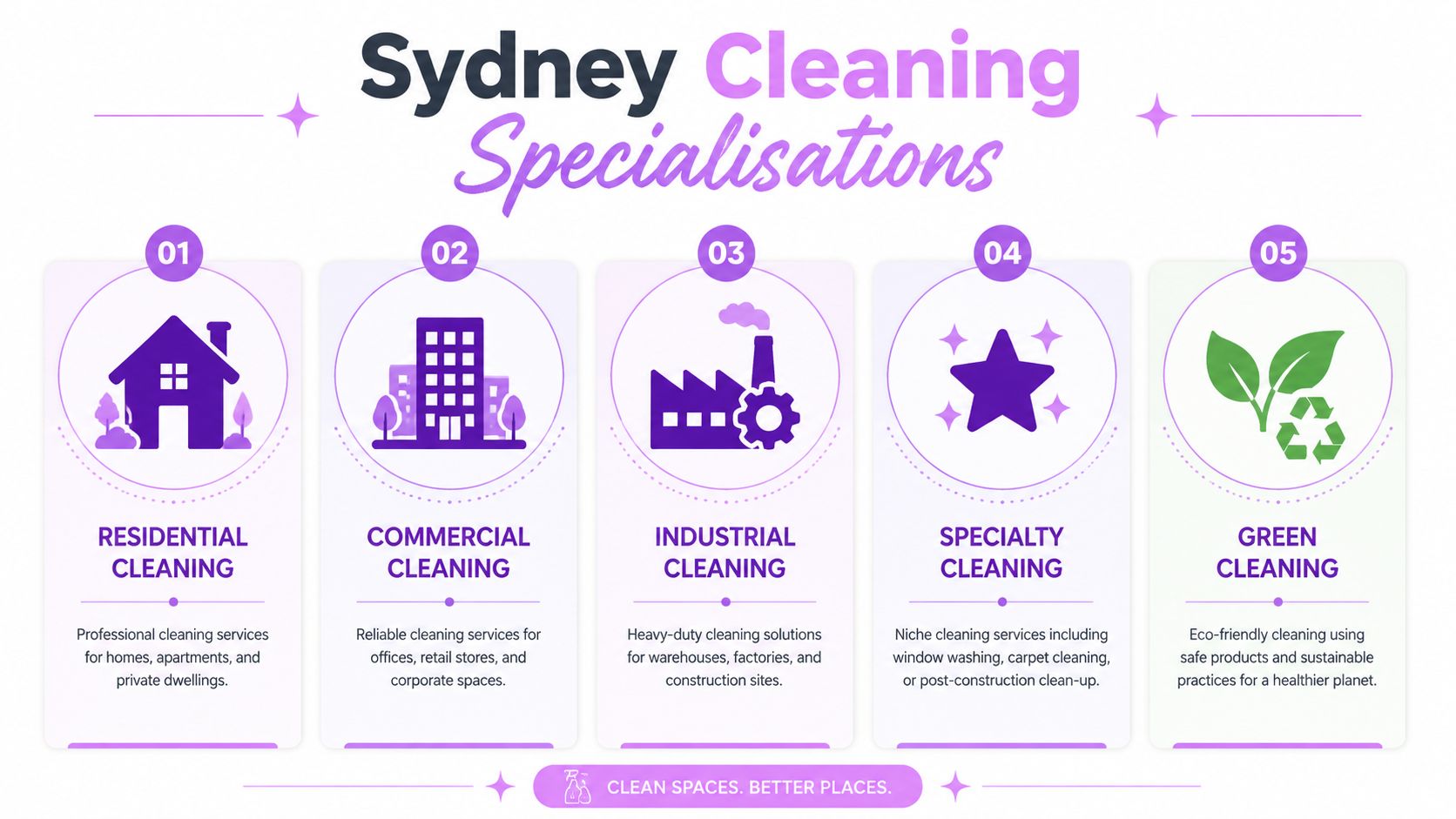
Five paths that lead to very different workdays
Residential cleaning is where many people start. The work is usually in houses and apartments. Clients notice detail quickly. They'll remember whether taps were polished, skirting boards were dusty, or bathrooms felt fresh. Residential work teaches routine, presentation, and client communication.
Commercial cleaning is more system-driven. Offices, retail spaces, medical environments, and shared facilities often need work done to a schedule and checklist. The standard has to be repeatable. That's why many operators follow industry developments closely, including trends discussed in this overview of commercial cleaning growth. Commercial work usually suits cleaners who like structure and don't mind early mornings, evenings, or after-hours access.
Airbnb and short-stay turnovers are a different discipline. Speed matters, but so does reset quality. Beds must present properly, consumables need checking, and the property has to be guest-ready, not just tidy. These roles are often underrepresented in broad job searches, even though general Sydney cleaning searches often overlook premium niches like Airbnb turnovers and NDIS-compliant home cleaning, as noted in Indeed search insights for no-experience cleaner roles.
Which niches suit a long-term career
NDIS-related home cleaning isn't ordinary domestic work. It requires respectful communication, sensitivity to the client's space, and a stronger understanding of boundaries and consistency. A cleaner can't rush through this work with a transactional mindset. Clients and coordinators expect reliability, calm conduct, and trustworthiness.
Post-construction and builders cleans reward technical discipline. Dust control, detailing, residue removal, and staged finishing matter. This isn't the place for random household methods. It suits cleaners who can follow site instructions, work safely, and understand that “finished” means ready for inspection.
A simple comparison helps:
| Niche | Best fit for | Main pressure point |
|---|---|---|
| Residential | Detail-focused beginners | Client-facing quality |
| Commercial | Cleaners who like routine | Consistency across visits |
| Airbnb | Fast, organised operators | Turnaround deadlines |
| NDIS | Calm, respectful professionals | Trust and compliance |
| Post-construction | Methodical workers | Dust, residue, final presentation |
The strongest long-term careers usually come from choosing a niche on purpose, then learning the standards that niche expects.
A cleaner doesn't need to specialise immediately. But staying “general” for too long often keeps someone stuck in lower-trust, lower-quality job streams. The better move is to sample a few categories, notice where performance is strongest, and then build skill depth there.
Where to Find Quality Cleaning Jobs
Finding work isn't just about volume. It's about finding the kind of work that supports a stable roster, clear expectations, and safe conditions. Sydney has plenty of listings, but quality still varies sharply.
Three ways cleaners usually look for work
Some cleaners start with direct outreach. That means contacting local businesses, real estate offices, hosts, or residents directly. It can work, especially for confident people who can quote clearly and follow up professionally. The downside is that a beginner often has to handle every part of the process alone, including screening, scheduling, payment risk, and scope disputes.
Others join a traditional agency. That can bring structure, but results depend heavily on how the agency runs jobs. Some provide solid support. Others push volume without enough detail, which leaves the cleaner carrying the stress on-site.
Then there are platform-based systems that combine job flow, vetting, and operational support. That model makes more sense as the market becomes more specialised. The Australian cleaning services market is valued at AUD 18.97 billion in 2025 with projected 5.10% annual growth, driven by specialised services such as NDIS cleaning, and the market requires “bespoke service delivery”, according to Expert Market Research's Australia cleaning services market report. In practical terms, that means generic listings often fall short when the work needs trust, repeatability, and compliance.
For cleaners who want to compare broader openings outside a single platform, it can also help to explore career opportunities across adjacent service roles and see how employers describe reliability, availability, and site standards.
What usually holds people back
A lot of jobseekers stay on generic boards too long. They keep applying to vague ads with thin scopes and no real sign of client quality. That's exhausting, and it rarely builds a strong calendar.
A more useful test is this:
- Is the client vetted: If not, the cleaner may be walking into access, payment, or safety problems.
- Is the scope defined: If not, “just a standard clean” can turn into unpaid extras.
- Is support available: If something goes wrong, someone needs to manage the issue properly.
- Is there a path forward: Better work comes from systems, not from endlessly refreshing listings.
For cleaners who want a more structured route into vetted work, training, and onboarding, the most sensible next step is to apply through a professional cleaner network. A system like that reduces guesswork and helps serious operators focus on service quality instead of chasing every lead manually.
Essential Requirements for Professional Cleaners
A cleaner can do a good job on-site and still struggle to build a stable career if the setup behind the work is weak. In Sydney, the cleaners who keep getting better shifts, recurring clients, and trusted access are usually the ones who treat the work like a profession from day one.
What needs to be in place before taking regular work
Start with the basics that protect your income and make you easier to place into reliable work.
- ABN registration: Independent cleaners need it for invoicing, tax records, and basic business administration.
- Public liability insurance: This covers property damage and other incidents that can happen during a job.
- Police check: Residential clients, offices, and support-related work often require one before access is approved.
- Reliable transport and a realistic service area: Sydney traffic, parking, and long cross-city runs can wreck a day's schedule and cut your hourly rate fast.
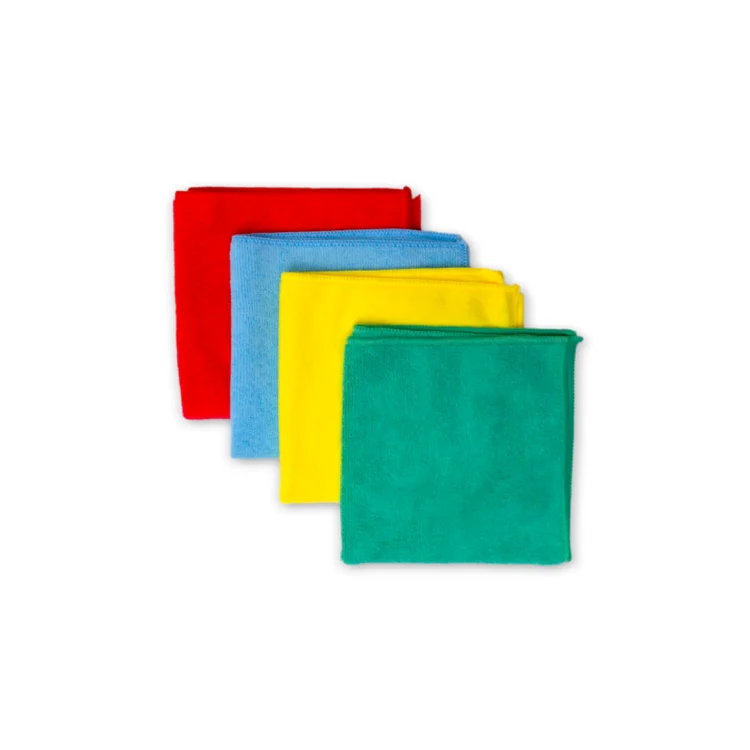
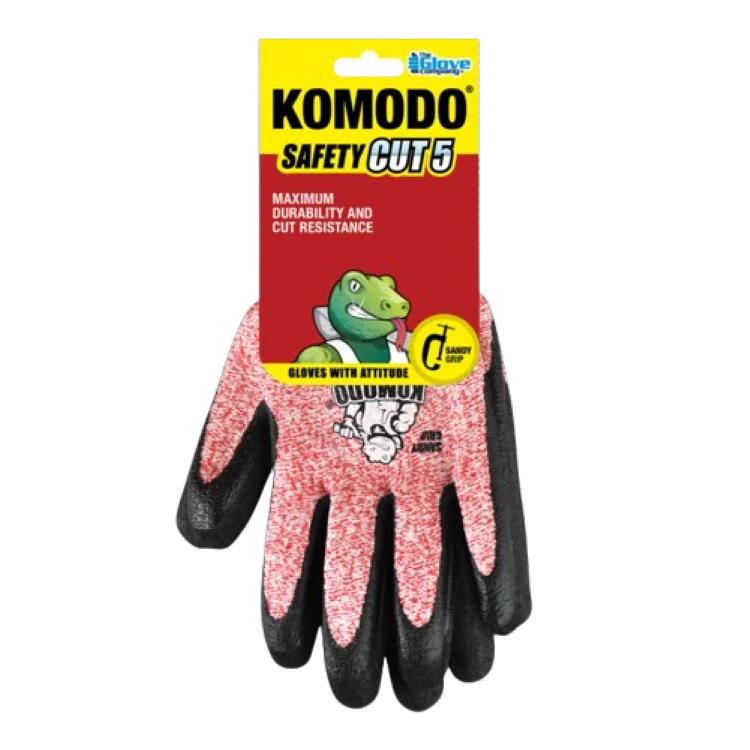
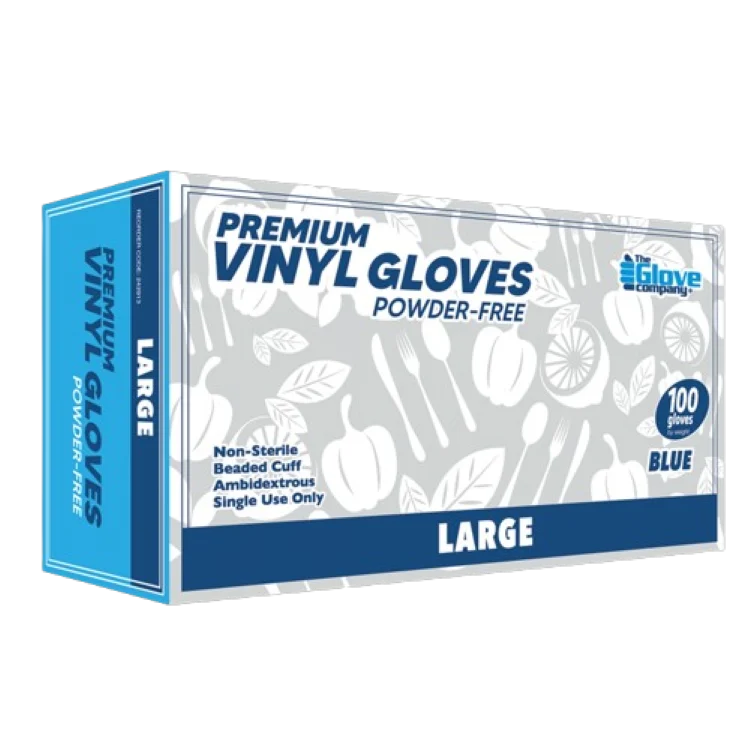
- A standard kit: Microfibre cloths, a proper mop system, vacuum, gloves, and clearly labelled chemicals should be ready before you accept recurring work.
That setup does more than help you start. It affects what type of work you can keep.
A cleaner with the right paperwork, transport, and kit can take on higher-trust jobs with fewer delays. A cleaner without them spends too much time improvising, rescheduling, or explaining gaps that a serious client should not have to manage.
Why setup affects pay and trust
Sydney clients pay more for cleaners who are dependable, prepared, and safe to put on a site. Analysts at Indeed's Sydney cleaning pay data list average rates in Sydney above the broader NSW average for cleaning roles. That gap usually comes down to reliability, presentation, and the ability to meet site requirements without constant supervision.
Insurance matters because accidents happen. Police checks matter because keys, alarm codes, and after-hours access are common in this field. Transport matters because being fifteen minutes late to one job in Sydney often means being late to the next two as well.
This is also where career thinking starts to matter. A newcomer chasing one-off cash cleans can get by with a loose setup for a while. A cleaner who wants a stable roster in strata, office, Airbnb reset, end-of-lease, or premium residential work needs systems that clients and coordinators can trust.
Products are part of that system, but product choice is only one piece of the job. The bigger issue is whether you can produce the same standard every time, document what was done, and work safely in kitchens, bathrooms, and occupied properties without damaging surfaces or wasting time on rework.
Cleaners who present themselves professionally on paper usually have an easier time proving that standard to employers and clients. CV Anywhere's resume guide is useful for shaping that part properly, especially if you need to show reliability and job-readiness before you have years of cleaning experience.
Crafting a Standout Application and Interview
Most applications for cleaning roles look the same. Short resume. Generic claims about being hardworking. No evidence of reliability. That's why a cleaner who writes clearly and presents professionally stands out quickly.
What to put on a cleaner resume
A newcomer doesn't need years of cleaning experience to look employable. The better approach is to translate existing work habits into cleaning-relevant strengths.
Include practical points such as:
- Attendance and punctuality: hospitality, retail, warehousing, care work, and admin all show whether someone turns up reliably.
- Attention to detail: this matters in room resets, bathrooms, kitchens, presentation work, and inspection-level cleaning.
- Time management: cleaners often work with fixed booking windows, key access times, and handover deadlines.
- Customer conduct: polite communication matters in homes, offices, and support-based environments.
The strongest resumes also match the wording of the role. Someone applying for office work should mention checklists, routine, and after-hours reliability. Someone applying for Airbnb jobs should mention fast resets and presentation. For a practical method, CV Anywhere's resume guide is useful because it shows how to align a resume with the actual language used in a job ad.
How to handle interviews and onboarding
Interview performance for cleaners is less about polished talk and more about trust signals. Clothes should be clean and simple. Answers should be direct. Availability should be accurate, not optimistic.
A hiring manager or platform usually wants to know four things:
- Will this person show up consistently
- Can this person follow instructions without drama
- Will clients feel comfortable having this person on-site
- Can this person communicate if something changes
Good questions from the applicant also help. Ask how scopes are set, whether equipment is supplied, how missed items are handled, and what standards apply for repeat bookings. Those questions show professionalism because they signal someone who wants to do the job properly, not just get accepted.
Interview advice: Don't oversell experience. Clear communication and honest availability are usually more valuable than inflated claims.
A clean application and calm onboarding style often beat a flashy one. In this industry, trust tends to win over self-promotion.
From Good to Great With the Right Skills and Tools
A lot of cleaners in Sydney hit the same ceiling. They can clean a standard house or office well enough, but they never build the extra skills that move them into steadier, better-paid work. That usually happens because they stay generalist for too long and rely on whatever casual shifts appear first.
The cleaner who builds a career does something different. They get good at a niche that clients struggle to staff properly, then they back that up with consistent systems and the right gear.
Skills that move a cleaner into better jobs
In Sydney, higher-value cleaning work usually sits in areas where mistakes are obvious, complaints are expensive, or timing matters. That is why specialisation pays. A cleaner who can handle one of these areas properly becomes easier to roster and harder to replace.
The practical options include:
- Infection-control routines: useful in aged care support, NDIS-related work, and homes where hygiene standards matter beyond a normal tidy-up.
- Hard floor care: scrubbing, stripping, sealing, and maintenance work on vinyl, tile, and other commercial surfaces.
- Carpet extraction basics: identifying fibre type, treating spots correctly, avoiding over-wetting, and leaving the area dry enough for safe use.
- Turnover systems: linen resets, presentation checks, consumable restocks, and fast defect reporting for short-stay properties.
- Post-build dust removal: staged cleaning, fine dust control, and detail work around frames, tracks, skirtings, and fixtures.
These are the skills that turn a cleaner from "available" into "booked again next week."
Formal training helps if it matches real site conditions. Practical cleaner training through Star Cleaner Academy Australia is one example of a system tied to actual service work. Star Cleaner Australia is relevant here because it operates as a cleaning services platform built by operators and includes training, supply access, vetted work streams, safety-checked operators, and a satisfaction-based service model for managed jobs.
Tools and products that improve results
Skill matters first, but tools decide whether that skill shows up on the job. Poor equipment wastes time, tires cleaners out faster, and creates avoidable rework. I have seen capable cleaners look average because they turned up with a weak vacuum, overloaded cloths, and one spray bottle for every surface.
Start with the basics that improve speed and finish quality:
- A reliable vacuum: strong suction and proper filtration matter, especially in offices, apartments, and post-renovation work.
- A cloth system: separate microfibre cloths by task and area so bathrooms, kitchens, and glass are not cross-contaminated.
- A stable mop setup: flat mops or bucket systems should match the site, not just be whatever is cheapest.
- Gloves and PPE: choose gear that protects hands, supports grip, and suits the chemical being used.
- Task-specific chemicals: one all-purpose product is rarely enough for grease, soap scum, glass, mould, and carpet spots.
The trade-off is simple. Carrying more specialised products takes planning, but it reduces call-backs and saves time on stubborn jobs.
Use products by surface and problem:
- Carpet stains: use a carpet-safe spot treatment and control moisture.
- Bathroom mould: use a product suited to mould treatment and ventilate the area properly.
- Kitchen grease: use a real degreaser that cuts residue instead of smearing it around.
- Glass and mirrors: use a clean, dry cloth rotation because dirty cloths cause most streaking.
Professionals do not rely on effort alone. They rely on repeatable methods, clean equipment, and enough technical skill to know what to use, where, and why.
Better cleaners build careers by producing the same standard on Tuesday night, Friday morning, and the last job of a long shift. That consistency is what clients trust.
Building Your Roster and Reputation in Sydney
A cleaner's long-term career isn't built by landing one job. It's built by turning good work into repeat work, then protecting that trust week after week.
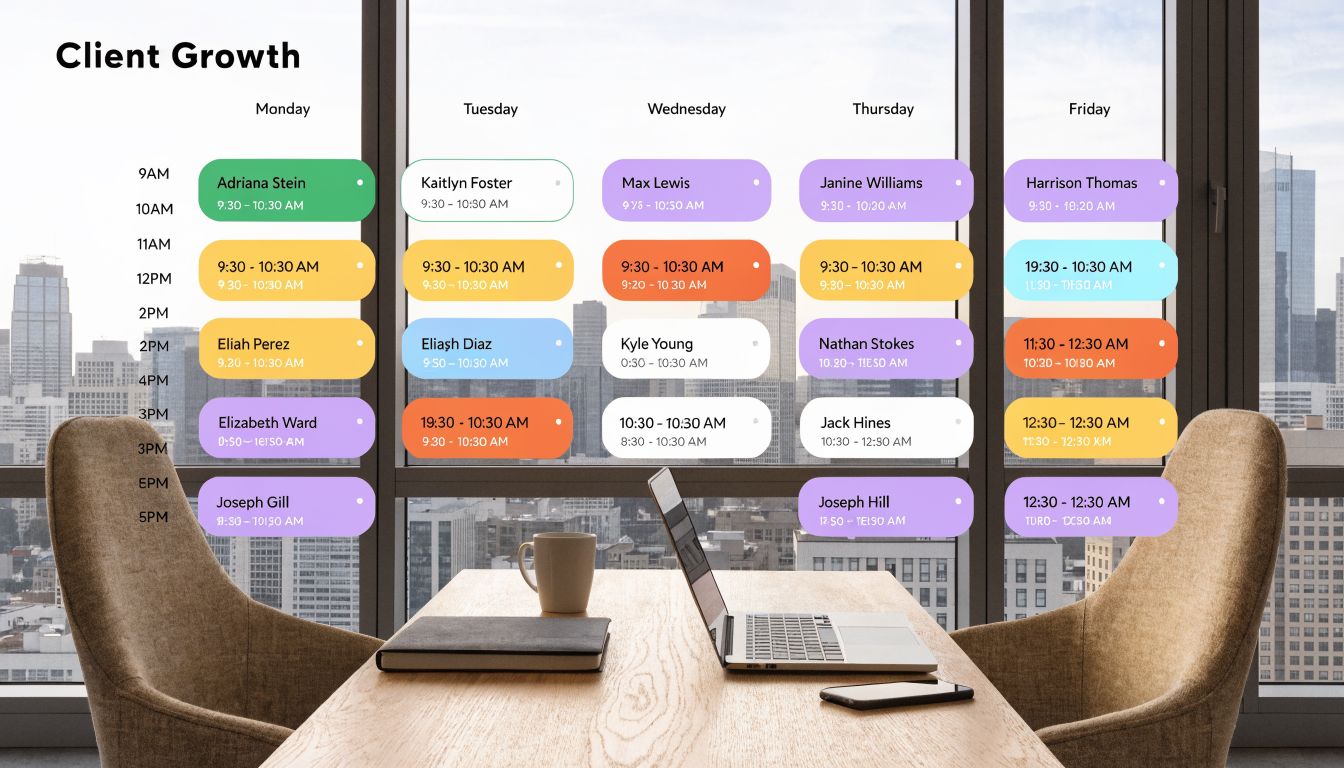
How repeat work is actually earned
Take a common Sydney scenario. A cleaner gets one fortnightly house clean in the Inner West. The first visit goes smoothly because the cleaner confirms access the day before, arrives on time, follows the agreed scope, and sends a short completion message after leaving. That doesn't feel dramatic, but it's exactly how repeat bookings are secured.
A second example is an Airbnb turnover. The host doesn't care only that the property is clean. The host cares that linen is reset properly, rubbish is cleared, supplies are noted, and any issue is reported before the next guest arrives. Communication is part of the clean.
Then there's office work. A cleaner who keeps bathrooms stocked, handles bins consistently, and reports a broken dispenser before it becomes a complaint becomes useful in a way that's hard to replace.
The habits clients remember
These habits build a strong roster faster than flashy promises:
- Accurate confirmations: message before the job and confirm if access details change.
- Scope discipline: do the agreed tasks well before offering extras.
- Quiet professionalism: in homes and workplaces, discretion matters.
- Problem reporting: flag damage, mould growth, broken fixtures, or supply shortages early.
- Stable quality: don't give a perfect first clean and weaker follow-ups.
A serious cleaner should work to a 100% satisfaction guarantee standard, even when no one says those words aloud. That means taking responsibility for quality, fixing reasonable issues promptly, and leaving no doubt that the client's instructions were taken seriously.
Reputation in cleaning is usually built in small moments. A text sent on time. A missed detail corrected without argument. A client not having to chase.
Cleaning jobs in sydney can become a steady profession when the operator thinks beyond the next shift. Specialise where demand is stronger. Set up properly. Use better tools. Communicate well. Protect trust. That's what turns scattered bookings into a dependable roster.
For cleaners who want a more professional path or clients who need dependable service, Star Cleaner Australia Pty Ltd offers a practical model built around vetted, insured operators, safety checks, structured support, and a 100% satisfaction guarantee. That kind of system suits people who want reliable cleaning done properly and cleaners who want to build a career on consistency rather than guesswork.