



A carpet stain usually happens at the worst possible time. A drink tips over as guests arrive. A child walks in with muddy shoes. Dinner lands face-down on the lounge room floor instead of the plate. The first impulse is panic, then hard scrubbing, then more water than the carpet can safely handle.
That reaction causes a lot of the damage.
The safer approach is simple. First, do no harm. Most stains get worse because people rub, over-wet the area, use the wrong chemistry, or leave cleaning residue behind. A calm response protects the carpet fibres first, then lifts the stain second. That order matters.
A good stain response isn't about finding the strongest cleaner in the cupboard. It's about controlling spread, matching the method to the stain, and stopping texture damage while the spill is still fresh. That's how to get out a carpet stain without turning one accident into a permanent mark.
Table of Contents
- That Heart-Stopping Moment A Spill on the Carpet
- Immediate Action The First Five Minutes Are Critical
- A Specific Guide for Common Household Stains
- Your DIY Stain Removal Toolkit
- Troubleshooting Stains That Refuse to Leave
- When to Call a Professional Carpet Cleaner
That Heart-Stopping Moment A Spill on the Carpet
Fresh carpet stains feel urgent because they are. A spill starts moving through the pile straight away, and the wrong response can drive it deeper before the stain itself has even had time to settle. That's why the safest advice is often the least dramatic. Slow down, clear the area, and stop the stain spreading.
For solids, lift or scrape them away gently with a blunt edge. For liquids, press with a dry white cloth or paper towel. White matters because coloured cloths can transfer dye, and old rags can leave lint or residue behind.
Practical rule: The first goal isn't to “clean” the carpet. The first goal is to remove as much of the spill as possible without pushing it further in.
This matters even more in Australian homes with wool blends, loop pile carpets, and rental-grade nylon that can show texture damage quickly. A stain is one problem. A stain plus fuzzed fibres, pile distortion, or detergent residue is much harder to fix.
A lot of quick-fix advice online skips the reason behind the method. The reason is simple. Carpet cleaning works best when the fibres stay intact, the backing stays as dry as possible, and the chemistry is matched to the stain instead of guessed. That's the trade-off people miss when they reach for hot water, bleach, or vigorous rubbing.
Immediate Action The First Five Minutes Are Critical
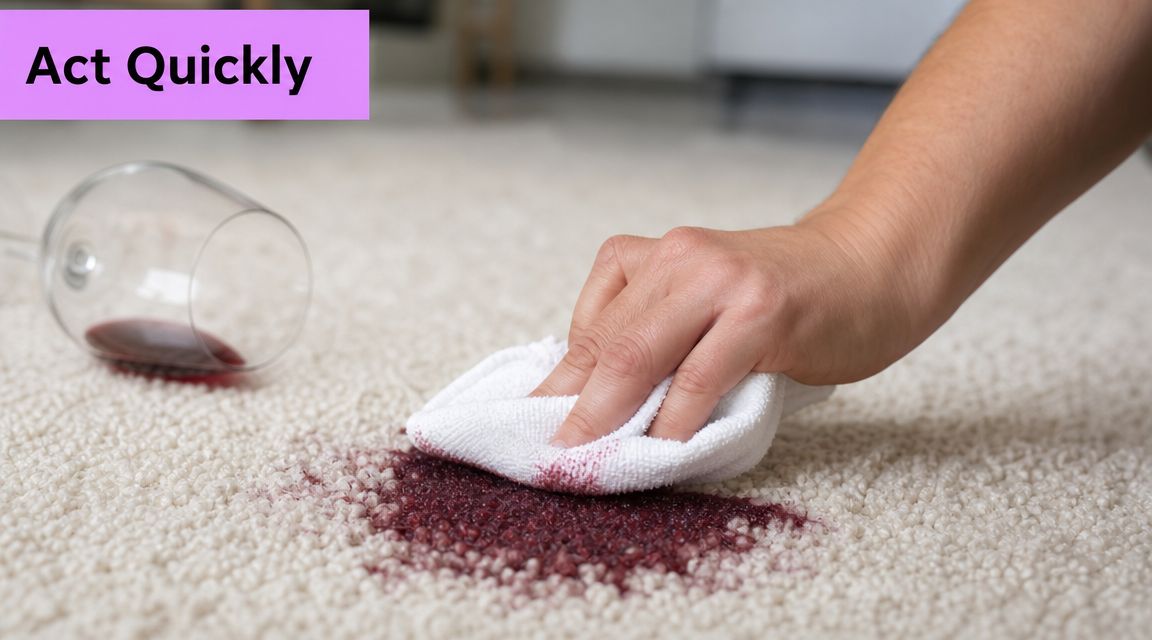
A fresh spill gives the best chance of full removal, but only if the first response is controlled.
What to do before using any cleaner
Start with the simplest sequence:
- Remove solids first. Lift food, mud clumps, or anything sitting on the surface without grinding it in.
- Blot liquids immediately. Use a dry white absorbent cloth or paper towel.
- Work from the outside toward the centre. That keeps the stain from spreading wider.
- Use only as much liquid as needed. Flooding the area often creates a bigger job.
- If using a cleaner, test it first in a hidden spot. That helps avoid colour loss or fibre damage.
The Carpet & Rug Institute's guidance says the professional rule is blot, not scrub, because blotting uses wicking action to pull liquid from fibres while scrubbing can push the stain deeper and damage the pile. It also notes that letting the cleaner sit briefly is safer than aggressive rubbing. Good Housekeeping's tested method adds a practical timing point of about 5 minutes before rinsing and blotting, with multiple light applications instead of oversaturation, as summarised in the Carpet & Rug Institute stain removal guidance.
Why blotting works better than scrubbing
Scrubbing feels productive because it's active. On carpet, it often does the opposite of what's intended. It roughs up the pile, forces moisture and soil lower into the backing, and can leave a worn patch even if the stain lightens.
Blotting works because it draws material up and out. Press down, lift, rotate to a clean section of cloth, and repeat. If a cleaner is needed, spray lightly rather than pouring it on. The carpet should be damp, not soaked.
A safe first-response routine usually looks like this:
- For a fresh drink spill: Blot until the cloth stops picking up much liquid, then use a light application of cleaner if needed.
- For a dropped sauce or food: Remove the bulk first, then blot the residue.
- For muddy footprints: Let the mud dry if it's thick and smeary, then vacuum before spot treatment.
If a stain gets larger while cleaning, too much liquid or too much force is usually the reason.
The first five minutes are mostly about restraint. The less damage done at this stage, the easier the later cleaning becomes.
A Specific Guide for Common Household Stains
Different stains need different chemistry. Technical guidance distinguishes between water-soluble stains such as coffee and wine, and oil-based stains such as grease and makeup. Water and detergent can help with the first group, while absorbents or dry-solvent spot cleaners are better suited to the second. Using the wrong method can spread the problem instead of lifting it, as outlined in this technical overview of carpet stain removal techniques.
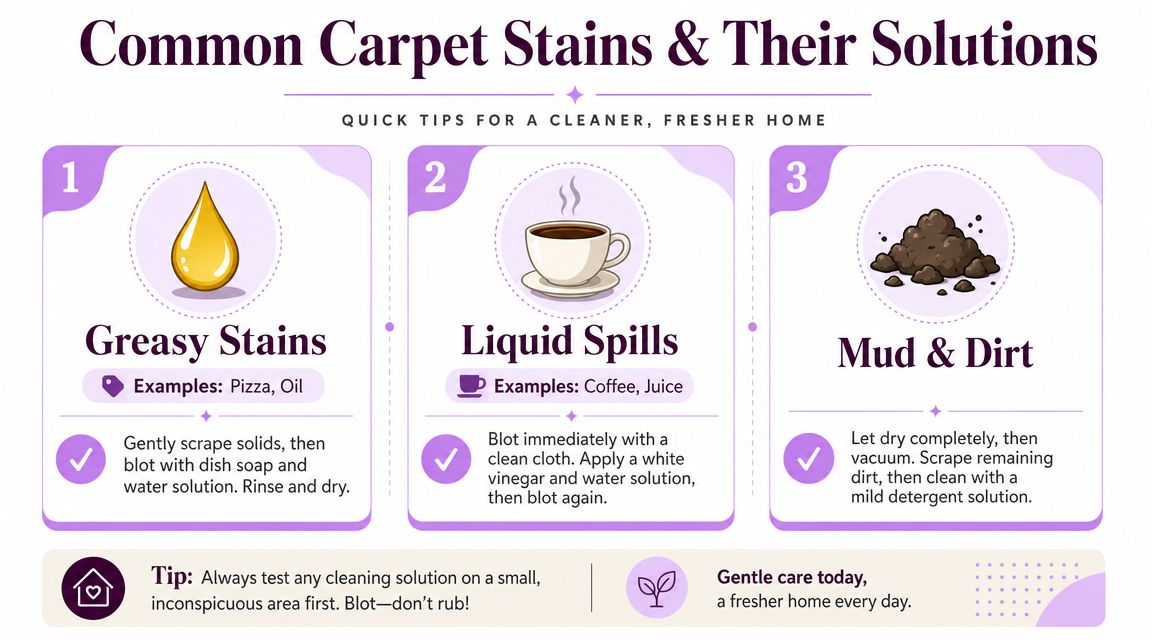
Water-soluble spills
Coffee, tea, juice, soft drink, and wine usually respond best to a gentle, staged clean.
Blot the fresh spill first. Then apply a small amount of mild cleaning solution, give it a short dwell, and blot again with a clean white cloth. Finish with a light rinse and more blotting so cleaner residue doesn't stay behind in the pile.
For coffee-specific marks, a targeted product is often safer than home mixing. A stain remover such as Agar Coffee Stain Remover suits that narrower job better than guesswork with random cupboard products.
Grease makeup and oily marks
Grease behaves differently. Water alone often just smears it.
Start by lifting off any solid or semi-solid residue. Then use an absorbent approach or a spot cleaner designed for oily contamination. The key is to break down the oil without over-wetting the carpet. Once the spot loosens, blot carefully and keep turning to a clean section of cloth.
Many DIY attempts often go sideways; the carpet ends up wetter, the stain spreads, and the oily residue remains.
Pet accidents and organic messes
Pet stains are usually combination stains. There's moisture, colour, odour, and organic residue all at once. They need a more deliberate response.
Blot up as much as possible first. Then use an enzyme cleaner intended for biological messes. Enzyme products are useful because they're designed for this kind of contamination rather than general spot cleaning. For households that want a targeted option, the Star Cleaner Shop carries eco-friendly cleaning products suited to jobs where a general spray isn't enough.
Some stains don't need a stronger cleaner. They need the right category of cleaner.
For pet spots, don't judge the result while the carpet is still damp. Organic residue can wick back as it dries, and odour often lingers if the backing stayed too wet.
Quick Stain Treatment Guide
| Stain Type | Initial Action | DIY Solution | Recommended Product |
|---|---|---|---|
| Coffee or tea | Blot with white cloth | Mild detergent solution, then light rinse and blot | Coffee-specific stain remover |
| Wine or juice | Blot fast, don't rub | Controlled spot treatment, then rinse and blot | General carpet spot remover |
| Grease or makeup | Lift solids, avoid extra water | Absorbent or suitable solvent-based spot treatment | Dry-solvent spot cleaner |
| Mud and dirt | Let dry, vacuum, then treat residue | Mild detergent solution used sparingly | Carpet spot cleaner |
| Pet accident | Blot thoroughly | Enzyme cleaner, then dry extraction-style blotting | Enzyme pet stain product |
A good stain-fighting toolkit isn't about owning dozens of bottles. It's about knowing which category the stain falls into, then choosing the safest response for that chemistry and carpet type.
Your DIY Stain Removal Toolkit
A proper home kit prevents rushed decisions. Most carpet damage happens because the nearest cleaner gets used without checking whether it suits the fibre or the stain.
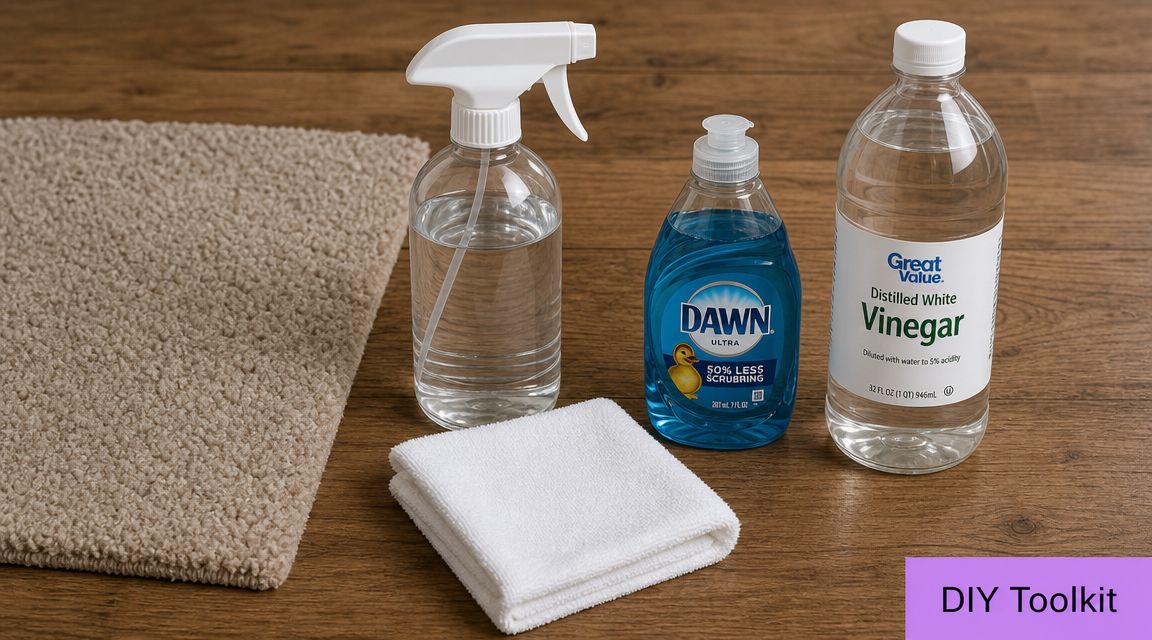
The small kit that solves most emergencies
A practical household kit should include:
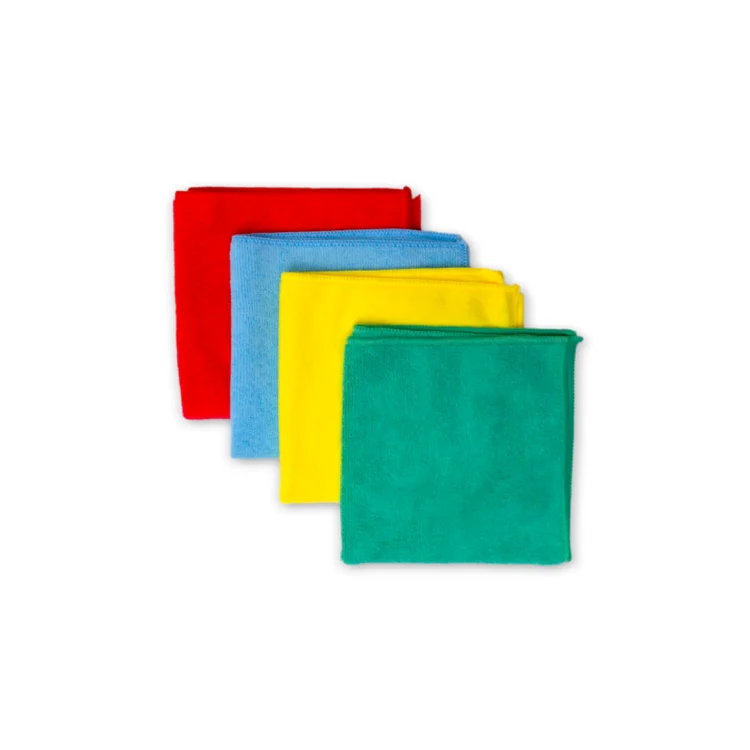
- White microfibre cloths or paper towels: These absorb well and won't transfer colour.
- A spray bottle: This gives controlled application instead of soaking the carpet.
- A blunt scraper or spoon: Useful for sauces, mud, and food solids.
- Mild dish soap: Suitable for light water-based spot cleaning when diluted properly.
- White vinegar and bicarb soda: Handy, but only when used carefully and not as a cure-all.
- A dry towel for weighting overnight: Helpful when moisture and residue need to wick upward.
Custodial guidance stresses a methodical routine. Remove solids, blot liquids from the perimeter inward, pre-test chemicals in a hidden spot, and finish with a light water rinse and re-blotting so detergent residue doesn't attract new soil, as detailed in this custodian's guide to carpet spot and stain removal.
Why stains come back after looking clean
A stain can seem gone while the carpet is wet, then reappear the next day. That usually means material remained deeper in the pile or backing and travelled upward as the area dried.
That's where a dry extraction habit helps. After cleaning and rinsing, place folded paper towel or a white towel over the damp area and add gentle weight. Leave it in place while the carpet dries. The towel can pull up remaining residue that normal blotting misses.
For larger damp patches, extraction equipment becomes more useful than hand towels. A compact machine such as the Cleanstar carpet extraction machine helps remove rinse water and suspended soil instead of leaving them behind in the pile.
A stain that returns isn't always a failed cleaner. Often, it's a moisture-removal problem.
The best kits are boring. They rely on absorbency, control, and safe chemistry rather than harsh shortcuts.
Troubleshooting Stains That Refuse to Leave
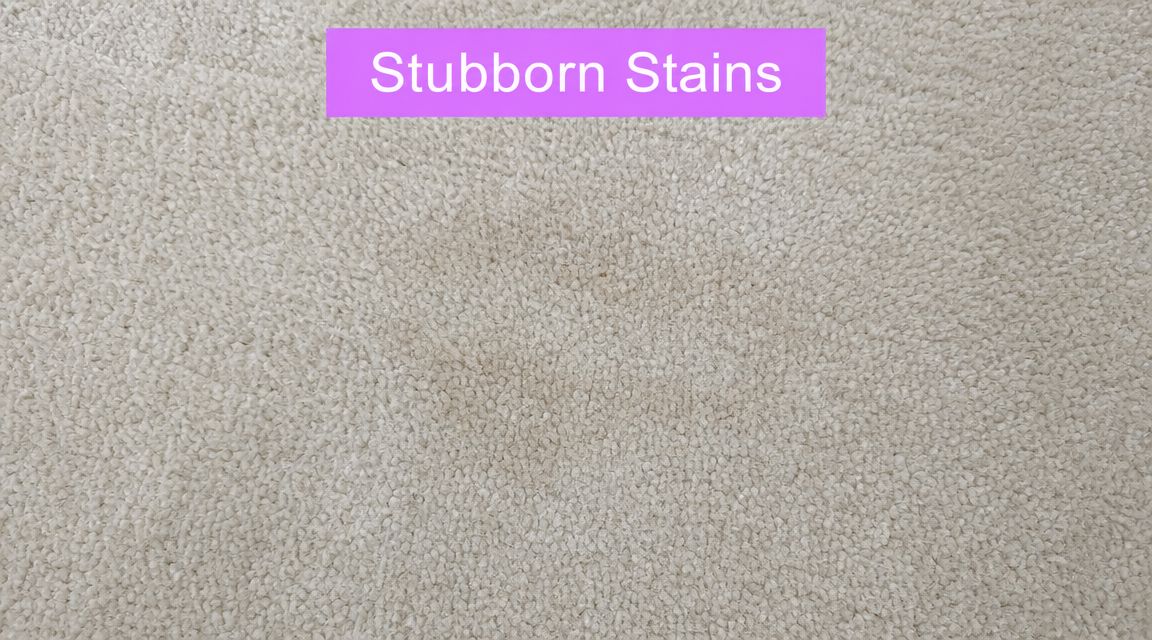
Some stains don't disappear in one pass, and forcing the issue usually makes them worse. The better approach is repetition with control.
When the mark fades then returns
A recurring stain often points to wicking. Contamination lower in the carpet dries upward and leaves a ring or shadow on the tips of the fibres. That's common after over-wetting, pet accidents, and spills that soaked beyond the surface.
The fix is usually not more scrubbing. It's better moisture recovery and another light treatment cycle. Clean the area again, rinse lightly, blot thoroughly, then use the weighted towel method while it dries.
When patience beats force
Professional stain work often follows a repeatable cycle instead of one heavy attack. Good Housekeeping recommends applying enough remover to dissolve the stain, waiting about 5 minutes, then rinsing with clean water and blotting until cleaner residue is gone. For tougher pet stains, OxiClean allows up to 10 minutes of dwell time before vacuuming or blotting dry, as summarised in Good Housekeeping's carpet stain remover testing.
That method matters because residue left behind attracts future dirt. A stain can look lighter at first but become a soil magnet later if the cleaner wasn't properly rinsed out.
A stubborn spot usually improves more with several light cycles than with one aggressive one:
- Treat lightly
- Wait for the dwell time
- Blot thoroughly
- Rinse lightly
- Dry completely before judging
When DIY stops being the smart option
There's a point where home treatment stops being careful and starts becoming risky. That point usually arrives when the carpet stays wet for too long, the stain covers a broad area, or the fibre texture begins to change.
If the carpet smells musty after cleaning, moisture may be sitting lower than expected. If the spot looks lighter but rougher, the pile may already be damaged. If the mark doesn't respond after patient cycles, it may be dye-based, chemically altered, or embedded deeper than a surface treatment can reach.
That's when calling a professional is a protective decision, not a last resort. Reliable operators bring extraction equipment, fibre knowledge, and safer stain assessment. With Star Cleaner Australia, that means safety-checked operators, a process built around proper job handling, and a 100% satisfaction guarantee rather than trial and error on a carpet that may be expensive to replace.
When to Call a Professional Carpet Cleaner
DIY works well for many fresh, localised spills. It's not the right move for every carpet or every stain.
The jobs that need specialist handling
Some carpets are less forgiving than they look. Professional guidance notes that wool blends, common in Australian homes, are sensitive to high-pH chemicals, while solution-dyed nylon is generally more resilient. Without knowing that difference, a homeowner can turn a stain problem into fibre damage, as explained in this guide to carpet cleaning methods and carpet types.
A professional call makes sense when:
- The stain is unidentified: Unknown substances need caution, not experimentation.
- The carpet is delicate or high-value: Wool, loop pile, and premium carpets can distort easily.
- The affected area is large: Broad wet patches are hard to rinse and dry properly by hand.
- DIY attempts have already failed: Repeated home treatments can layer in residue and spread the stain.
- There's odour or repeated wick-back: That usually means more contamination sits below the surface.
What a professional service should look like
A proper carpet cleaner should inspect the stain, explain the likely outcome accurately, and choose a method that fits the carpet and the stain chemistry. The work should leave the carpet cleaner, not just wetter.
That's where Star Cleaner Australia fits naturally. The platform connects homes and businesses with vetted, insured operators who handle jobs with clear expectations, safety checks, and proper equipment. For households that need help quickly, especially in rentals, family homes, offices, or short-stay properties, that reliability matters just as much as the stain removal itself.
The best result isn't always getting every mark out at home. Sometimes it's recognising when the carpet is worth protecting professionally.
If a stain has reached the point where home methods are becoming risky, Star Cleaner Australia Pty Ltd is the practical next step. The service connects Australians with reliable, safety-checked cleaning operators and backs the work with a 100% satisfaction guarantee, whether the job is a single carpet stain, a larger carpet clean, or a full property reset.