


Moving day often starts with a good first impression. The keys work, the rooms are empty, the floors look passable, and the air smells neutral enough. Then the closer inspection begins. There's grease sitting above the rangehood, dust packed into wardrobe tracks, grit in window channels, and a bathroom that looks tidy until the light hits the grout.
That's where people get caught. An empty property can look clean without being ready to live in. In Australian homes, especially after tenant turnover, short vacancy, or renovation work, a surface clean rarely deals with the things that affect comfort most. Fine dust, stale residue inside cupboards, old spills in fridge seals, soap film, hidden grime around handles and switches, and early mould in damp corners are the details that shape whether a home feels safe and settled.
A proper move in cleaning job is about reset, not presentation. It gives the next occupant a usable starting point before beds, sofas, and storage go in and block access. For households with children, older relatives, allergies, asthma, or just no spare energy left after the move, that difference matters.
Table of Contents
- Starting Fresh in Your New Home
- Defining the Professional Move In Clean
- Your Room-by-Room Move In Cleaning Checklist
- Customising Your Clean with Optional Add-Ons
- How Move In Cleaning is Priced in Australia
- Should You Hire a Professional Cleaning Service
- Your Partner for a Perfectly Clean Start
Starting Fresh in Your New Home
Most new occupants notice the same thing within the first hour. The property looks empty enough to unpack into, but not clean enough to trust. A cupboard shelf feels dusty. The ensuite smells faintly of disinfectant and dampness at the same time. The kitchen splashback has been wiped, but the cabinet handles still feel sticky.
That gap between appearance and hygiene is the central issue. A move in cleaning job has to deal with what the eye misses at first glance, especially after tenant turnover, renovations, or a period of vacancy. Fine dust settles on ledges and inside wardrobes. Grease drifts upward and sticks above cooking areas. Moisture lingers in bathrooms and laundries. If the property has been closed up, stale air can hide the condition of vents, filters, and corners until the place is occupied again.

A practical move in clean creates a clean base before life gets layered on top of it. That means cleaning the inside of storage, not just fronts. It means checking seals, tracks, vents, and skirting boards. It means treating kitchens and bathrooms as hygiene zones, not just presentation zones.
Empty doesn't mean clean. It usually means the dirt is easier to find, if someone knows where to look.
In Australian conditions, this matters even more after heat, humidity, heavy rain, renovation dust, or a rushed handover between occupants. Once furniture is in place, the easiest time to clean thoroughly is gone. Starting fresh isn't about making the property look nice for an hour. It's about making the next weeks easier, healthier, and less frustrating.
Defining the Professional Move In Clean
A professional move in cleaning service isn't just a standard clean done in an empty house. It has a different purpose. The aim is to prepare the property for the incoming resident, not to satisfy a quick visual check.
What a handover clean misses
In Australia, there's an important distinction between a vacate clean and a move in clean. Bond release generally depends on returning a property to its initial condition, fair wear and tear excepted, but that standard doesn't automatically mean the home is hygienic for the next resident, as explained in this guidance on rental property cleaning and handover expectations. That's why hidden grime inside cupboards, drawers, bathrooms, kitchens, oven seals, and other touchpoints often slips through a perfectly acceptable vacate result.
This is also why generic exit checklists don't solve the whole problem for the next occupant. A practical reference point is this move-out cleaning checklist, which shows what outgoing residents commonly focus on. It's useful because it also highlights what may still need deeper hygiene attention before anyone moves in.
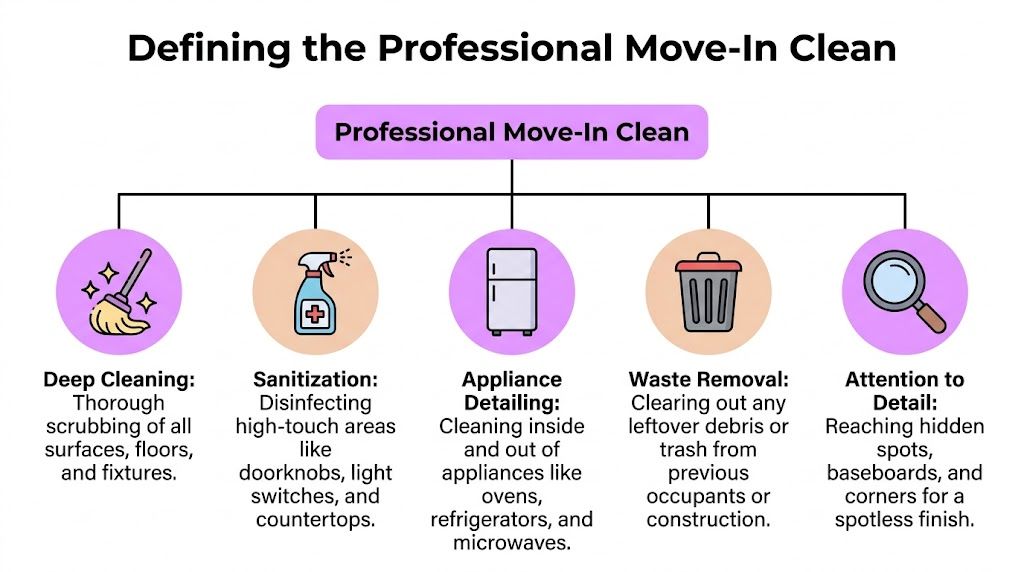
A surface clean usually stops at what's visible at standing height. A proper move in cleaning scope goes further. It checks internal surfaces, corners, and overlooked contact points that affect daily use straight away.
What should be included
A well-scoped move in clean usually covers:
- Kitchen hygiene work. Inside cupboards and drawers, splashbacks, bench edges, sink surrounds, taps, cabinet fronts, and exterior appliance surfaces.
- Bathroom detail cleaning. Toilet base and hinges, grout lines, taps, vanity storage, shower screens, drains, and corners where residue builds up.
- Touchpoint sanitising. Handles, switches, remotes, pull cords, wardrobes, and other high-contact areas.
- Dust removal from built-ins. Shelving, robes, skirting boards, door frames, internal ledges, and window sills.
- Final floor treatment. Vacuuming and mopping after all high and mid-level work is done.
What's often excluded unless requested is just as important. External windows, heavy mould remediation, carpet extraction, pressure cleaning, blind restoration, pest treatment, flood-related remediation, and post-construction debris removal usually need separate scoping.
Practical rule: If the issue involves damage, contamination, or specialist restoration, it shouldn't be bundled into a standard move in cleaning booking without discussion first.
The right expectation is simple. A move in clean should leave a property ready to furnish and live in, with hygiene addressed where people touch, store, cook, wash, and breathe.
Your Room-by-Room Move In Cleaning Checklist
You open the front door, the place looks tidy, and the first cupboard tells a different story. Fine dust on the shelf, grime in the corners, a damp smell in the bathroom, and window tracks full of grit. That is the gap between a surface clean and a move-in clean that is truly fit to live in.
In Australian homes, that gap shows up in predictable ways. Renovation dust settles into wardrobes and vents. Coastal moisture and poor bathroom ventilation leave early mould around silicone and exhaust covers. Tenant turnovers often leave kitchens visually presentable but still greasy where hands, steam, and food residue build up. A room-by-room checklist only works if it targets those hidden problem areas, not just what looks dirty at standing height.
A reliable workflow still matters. Start high, control dust first, and leave floors until the end. Practical cleaning guidance follows the same logic in this move in cleaning checklist, because wiping wet surfaces before loose dust is removed creates more work and spreads residue.
Room-by-room priorities that prevent a false finish
Use this order in each room:
- Remove dry dust first. Vacuum vents, ledges, skirting boards, robe shelves, door frames, and corners with a HEPA machine and soft-brush tools.
- Clean high surfaces before mid-level surfaces. Fans, light fittings, tops of cupboards, rails, and exhaust covers come first.
- Wash and sanitise after dust is under control. Benches, handles, switches, tapware, and storage interiors should be cleaned once loose debris is gone.
- Treat floors last. Vacuum thoroughly, then mop with a product suited to the floor type.
That sequence matters most in vacant properties. Empty rooms expose dust load more clearly, and they also let it travel further. If the first pass is rushed, you end up re-cleaning the same room after settling dust drops back onto benches, sills, and floors.
For short-stay properties or homes that need frequent turnover discipline, this vacation rental cleaning checklist is useful because it shows how consistent sequencing keeps standards from slipping under time pressure.
Kitchen and bathroom priority areas
These rooms decide whether a home feels safe to use on day one.
Kitchen checklist
- Cupboards and drawers. Wipe inside, including shelf pin holes, back corners, and the underside of lower shelves where dust and crumbs sit unnoticed.
- Grease build-up points. Clean splashbacks, cabinet fronts near the cooktop, rangehood exterior, and the top edges of overhead cupboards.
- Sink zone. Descale around taps, remove residue from the basket strainer, and clean the sink overflow area if accessible.
- Appliance touchpoints. Handles, seals, buttons, hinge edges, and surrounding surfaces often hold grease even when the front looks clean.
- Bench joins and undersides. Sticky residue collects along front lips and seams, especially in older laminate kitchens.
The trade-off in kitchens is speed versus residue removal. A quick spray-and-wipe improves appearance, but it does not cut through cooking film. For heavier grease, a proper degreaser, enough dwell time, and the right non-scratch pad save effort and reduce smearing. Poor product choice causes plenty of avoidable damage, especially on timber, stone, and glossy cabinetry. This guide to common cleaning mistakes Australians make covers the errors that create rework or surface damage.
Bathroom checklist
- Shower detail. Clean screen edges, tracks, tap bases, tile corners, and soap ledges.
- Toilet exterior. Wipe seat hinges, flush plate, cistern touchpoints, the outer bowl, and the floor line around the pan.
- Vanity interior. Check drawer corners, shelf edges, and plumbing cut-outs where dust and hair collect.
- Mirrors and tapware. Remove water spotting, toothpaste marks, and handprints.
- Exhaust covers and vents. Dust them first, then wipe. Otherwise damp lint mats into the grille.
Bathrooms need more than a fresh scent. In many Australian properties, especially older apartments and homes with poor airflow, early mould spotting around silicone or ceiling corners is a sign of moisture history, not just missed wiping. Surface cleaning improves hygiene, but recurring mould needs the source addressed as well. If the room is left damp after cleaning, the problem starts again quickly.
A bathroom can smell clean and still be unhygienic if tracks, hinges, grout edges, and exhaust covers are holding residue.
Bedrooms, living areas, and overlooked zones
These spaces usually carry the heaviest fine dust load, especially after painting, floor sanding, or minor renovation work.
Bedrooms
Clean wardrobes before the room itself feels finished. Top shelves, hanging rails, drawer runners, internal corners, and skirtings matter because that is where clothes, linen, and personal items go straight away. Window tracks also need attention, particularly in properties near busy roads, building sites, or the coast where dust and grit settle quickly.
Living areas
Dust built-ins, switches, door frames, sills, and any horizontal ledge above eye level. If the property has had recent works, treat post-renovation dust as a health issue rather than an appearance issue. It spreads into soft furnishings, returns after air movement, and becomes obvious again once sunlight hits the room.
Entryways and hallways
These areas carry hand contact and tracked dirt. Handles, switch plates, corners, and the edges where flooring meets skirting often hold more grime than main living spaces because they get touched constantly and cleaned lightly.
Laundry and utility areas
These rooms are easy to under-scope. Clean sink surrounds, cabinet shelves, taps, machine exteriors, lint-prone corners, and floor edges behind doors. In laundries, stale moisture is often the main issue. If the room smells musty after cleaning, inspect for trapped dampness, not just visible dirt.
Finish with a slow inspection at eye level, then again at knee level. That second pass picks up the misses that turn a decent-looking clean into a proper move-in standard.
Customising Your Clean with Optional Add-Ons
A standard move in cleaning scope handles the broad reset. Add-ons are what bring the property from acceptable to settled. The right extras depend less on budget than on what the next occupant will notice every day.
When add-ons are worth it
Some extras solve comfort problems immediately.
Oven cleaning matters when old carbon, grease haze, and burnt residue are left behind. Even if the appliance looks decent from the front, internal racks, tray runners, and door glass often tell a different story. Anyone planning to cook in the first week will notice.
Fridge cleaning is worth including when a refrigerator is staying with the property. Seals, shelves, drip channels, and crisper drawers hold stale odours and residue that a quick wipe won't fix.
Internal window cleaning becomes worthwhile in homes with renovation dust, coastal film, pet nose marks, or visible build-up in tracks. Clean glass changes light quality in a room more than homeowners typically expect.
Where the extra value comes from
Carpet work is the most commonly misunderstood add-on. Vacuuming improves appearance, but it doesn't always deal with settled dust, old odours, or traffic-lane build-up. In a vacant property, that matters because once beds and sofas are placed, deep treatment gets delayed.
For isolated spots, a quality carpet spotter can be enough. For broader soil load, a professional extraction service is usually the better option. If the concern is stains, grease transfer, or lingering pet odour, eco-friendly specialty products from the Star Cleaner Shop can be a practical starting point before deciding whether the room needs full carpet treatment.
Other useful add-ons include blind dust removal, balcony washdowns, garage sweep-outs, and detailed internal glass. None of these should be treated as automatic upsells. They're best seen as targeted tasks that fix specific problems.
A helpful way to think about it is this:
| Add-on | Best for | Why it helps |
|---|---|---|
| Oven clean | Built-up grease and food residue | Improves hygiene and removes odours before first use |
| Fridge clean | Existing appliance in property | Clears stale spills and seal residue |
| Internal windows | Dusty, streaked, or recently renovated homes | Improves light and removes grime from tracks and glass |
| Carpet steam cleaning | Dust, odour, allergen concerns | Addresses deeper contamination than vacuuming alone |
Households looking for lower-residue methods can also compare service approaches in this guide to eco-friendly cleaning services in Australia, especially where children, pets, or sensitivity to strong chemicals are part of the decision.
How Move In Cleaning is Priced in Australia
Move in cleaning is rarely priced properly from a single flat figure on a website. In Australia, professional cleaning services are commonly quoted on site because the final price depends on property size, condition, and add-ons such as ovens and fridges. The broader cleaning services market was valued at AUD 17.9 billion in 2024, which reinforces that this is a substantial professional service category rather than a casual side task, as noted in this overview of Australian move in clean cost and on-site quoting.
Why fixed prices often miss the mark
Two homes with the same number of bedrooms can require very different labour. One may be recently vacated and lightly dusty. Another may have renovation residue, grease in the kitchen, hard water marks in wet areas, and pet hair packed into wardrobe corners.
That's why a single advertised price often causes trouble. If the quote is too low, the job gets rushed or the cleaner starts excluding tasks on arrival. If it's too high, the client pays for work the property didn't need.
A proper quote should reflect scope, not guesswork.
What changes the final quote
The main variables are straightforward:
- Property size. Bedrooms, bathrooms, living zones, and circulation areas all affect labour.
- Current condition. Vacancy dust, renovation film, grease, soap scale, and neglected cupboards add time quickly.
- Surface types. Carpet, tile, stone, glass, stainless steel, and timber all need different methods.
- Access and timing. Empty properties are easier to clean than partially occupied ones, but lift access, parking, and key coordination can still affect workflow.
- Optional extras. Ovens, fridges, internal windows, carpets, and balconies are usually quoted separately.
Reliable operators usually ask detailed questions before confirming the booking. Safety-checked teams, clear inclusions, and a written scope reduce disputes later because both sides know what “clean” means before work starts.
Sample move in cleaning estimates
The table below is illustrative only. Actual pricing varies by condition, access, and extras.
| Property Size | Estimated Time | Estimated Cost Range (AUD) |
|---|---|---|
| Studio or 1 bedroom | Half day to most of a day | Quoted after inspection |
| 2 bedroom property | Most of a day | Quoted after inspection |
| 3 bedroom property | Full day or longer | Quoted after inspection |
| 4 bedroom or larger | Full day to multi-stage clean | Quoted after inspection |
The most practical question isn't “What's the cheapest rate?” It's “What exactly is included, what's excluded, and how was the quote built?” In move in cleaning, that's what prevents disappointment.
Should You Hire a Professional Cleaning Service
You collect the keys, walk into an empty property, and it looks fine at first glance. Then the light catches dust sitting on skirting boards, cupboard shelves feel gritty, the bathroom corners smell damp, and a quick wipe turns the cloth grey. That gap between “looks clean” and “safe to move into” is the point where professional help often earns its cost.
A move-in clean is not always a job for professionals. But a true health-focused clean is also not the same as a quick vacuum and spray-and-wipe. In Australian homes, the problems that get missed are usually the ones that affect comfort after day one. Post-renovation dust that keeps resettling. Moisture around silicone and grout. Residue inside drawers and cupboards from the last tenancy. Odours trapped in soft surfaces and drains.
When DIY still makes sense
A self-managed clean can work well in a small property that is already in strong condition, especially if it has been cleaned properly after the previous occupant left and there is enough time before furniture arrives.
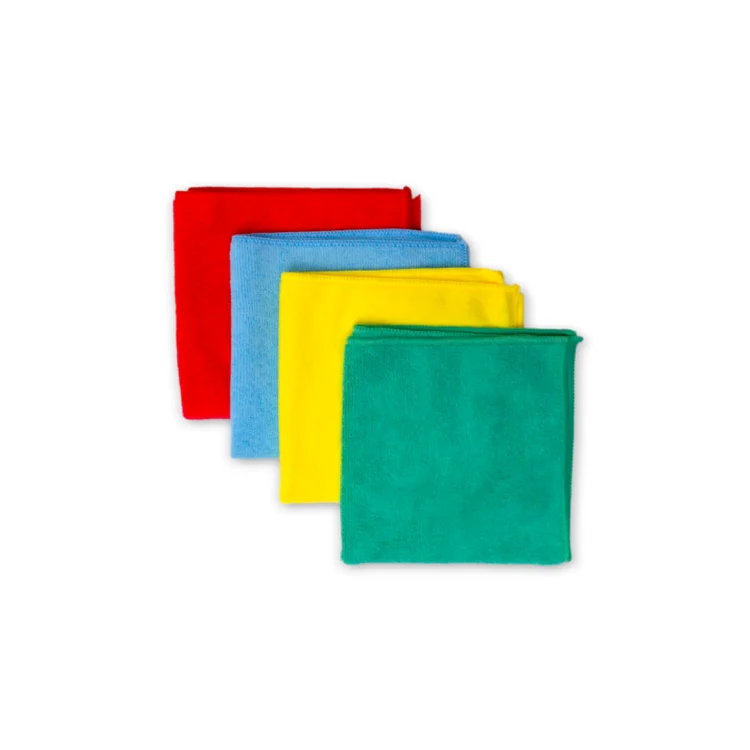
The tools matter. A HEPA vacuum, extension duster, microfibre cloths, non-scratch pads, a grout brush, and the right products for timber, stone, stainless steel, and glass will change the result. Without them, people tend to spread dust, smear residue, or use too much moisture on surfaces that should stay relatively dry.
DIY usually stops being practical when the home has hidden build-up or contamination risks. Common examples include oven grease, shower scale, pet odour, renovation dust, sticky kitchen joinery, mould spots, or a property that has been vacant long enough to develop stale air and damp pockets. At that point, the issue is not effort alone. It is method, sequencing, and having enough time to finish the job properly before the move starts.
I see the same mistake regularly. Households budget a few hours for “a clean,” then discover that the visible floor area is the easy part. The actual time goes into tracks, vents, ledges, cabinet interiors, taps, bathroom edges, appliance seals, and the fine dust that keeps lifting back into the air if it is not removed with the right equipment.
Who gets the most value from professional help
Some households and property types get a much clearer return from hiring trained cleaners because the cost of missing problems is higher than the cleaning fee.
Busy homeowners and families
Time is the obvious benefit, but it is not the only one. A managed clean also reduces decision fatigue during a week that already includes removals, key collection, utilities, internet setup, school routines, and work commitments. Instead of cleaning until midnight and still wondering what got missed, the household can start with a property that has been detailed with move-in use in mind.
Property managers and short-stay operators
Turnover work depends on consistency. The standard has to hold across different properties, access arrangements, and time pressures. For this reason, platform-based service models are often easier to manage because scope, attendance, and follow-up are more controlled. Star Cleaner Australia, for example, connects clients with vetted, insured operators and manages jobs with a 100% satisfaction guarantee, which suits situations where documented expectations and reliable delivery matter. This explanation of how cleaning services work in Australia is useful if you want to understand how managed service delivery, quoting, and operator vetting fit together.
NDIS participants and households with health concerns
Here, the standard should be health-first, not appearance-first. If a property has mould, water damage, smoke residue, pest activity, or long-vacancy dust, a surface clean may improve the look of the room while leaving the actual problem behind. In those cases, some areas may need specialist remediation before general cleaning starts.
Homes after renovation or repairs
This is common in Australia, especially after painting, flooring, kitchen updates, or insurance repairs. Renovation dust behaves differently from ordinary household dust. It settles inside joinery, window tracks, exhaust covers, and soft furnishings, then becomes airborne again once people start walking through the home. A proper post-work move-in clean usually needs slower sequencing, repeated HEPA vacuuming, and careful damp wiping so dust is removed rather than redistributed.
Comparing DIY with professional cleaning works best when the question is practical. Can the household deliver a safe, usable result before move-in, with the tools, time, and attention the property needs? If the answer is uncertain, professional help is usually the cleaner and lower-stress choice.
Your Partner for a Perfectly Clean Start
A good move in cleaning job changes more than appearance. It removes uncertainty. The home feels easier to unpack in, easier to organise, and easier to trust. Kitchens are ready to stock, bathrooms are ready to use, and cupboards don't need to be wiped again before every item goes in.
The biggest mistake is treating move in cleaning as the same job as a quick tidy, a vacate clean, or a basic once-over. It isn't. The useful standard is health, access, and daily function. That means cleaning inside storage, dealing with hidden residue, sequencing the work properly, and recognising when the property needs add-ons or specialist help rather than a generic checklist.
That's also why dependable service matters as much as elbow grease. The strongest cleaning outcomes come from clear quoting, proper equipment, safety-checked operators, and a process that doesn't leave gaps between what was promised and what was delivered. Star Cleaner Australia is built around that model, with insured professionals, practical scope setting, and a 100% satisfaction guarantee that gives households, property managers, and support coordinators a cleaner start without guesswork.
If the new place looks clean but doesn't feel ready to live in, Star Cleaner Australia Pty Ltd can help organise a properly scoped move in clean with vetted, insured operators, clear inclusions, and service backed by a 100% satisfaction guarantee.