

Scrolling job boards for cleaning jobs in geelong can feel like busy work. One listing looks like steady weekday work. The next is a weekend-only Airbnb turnover. Another says “casual” but gives no real clue about hours, travel, or whether the work is ongoing.
That confusion is normal. Job boards can show roughly 48 to 58 cleaning vacancies in Geelong, but those totals often mix permanent roles, casual shifts, and ad hoc gig work, which makes the market look simpler than it is on the surface (Glassdoor Geelong cleaning jobs). The practical question isn't just whether work exists. It's whether the role fits the kind of week, income pattern, and client type a cleaner can realistically sustain.
Good cleaners usually don't struggle because they can't clean. They struggle because they apply too broadly, quote too quickly, or accept the wrong type of work too early. The cleaners who last learn how to sort jobs by workload, travel, compliance, and client expectations before they say yes.
Table of Contents
- Starting Your Search for Cleaning Work in Geelong
- Navigating the Different Types of Cleaning Work
- Where to Find the Best Cleaning Opportunities
- Creating an Application That Gets You Noticed
- Understanding Geelong's Pay Rates and Rostering
- Your Essential Starter Kit and Training Path
- Frequently Asked Questions About Geelong Cleaning Jobs
Starting Your Search for Cleaning Work in Geelong
A lot of new applicants waste time looking at every listing the same way. That's the fastest path to a patchy roster. A school cleaner role, a residential weekly clean, and a builders clean might all sit under the same search term, but they're very different jobs with different pressures.
The first filter should be work style. Some people need fixed evening shifts. Others need school-hour domestic work. Some want independent contractor flexibility and can handle quoting, equipment, and travel. Others are better off starting with an employer or agency that gives structure.
Start with the job behind the title
A listing that says “cleaner” doesn't tell enough. The details that matter are usually these:
- Hours pattern means more than hours offered. A short shift close to home may be better than a longer shift with heavy travel.
- Site type changes the job completely. Offices reward consistency. Residential work demands client communication. Construction cleaning is more physical and less forgiving.
- Supply expectations affect costs. Some roles provide equipment. Others expect a fully stocked kit from day one.
- Compliance level matters in sensitive settings. Homes with support needs, commercial sites, and managed facilities often expect stronger process discipline.
Stable work usually comes from repeat clients, clear scopes, and realistic travel time. A long list of mixed one-off jobs can look busy without producing a dependable week.
A practical search starts with a narrow target. Pick one or two service types, one preferred shift window, and a travel zone that's workable. That makes every application stronger and every interview answer more believable.
Navigating the Different Types of Cleaning Work
Geelong doesn't offer one standard cleaning career. It offers several. Labour-market listings show a broad mix of casual retail cleaning, residential positions, and compliance-heavy commercial work, and that's exactly why a generic approach falls flat (Indeed cleaning jobs in Geelong).
Residential cleaning
Many cleaners start with this type of work. The work usually includes bathrooms, kitchens, dusting, floors, bed changes, and tidy-up tasks. End-of-lease jobs sit under the same broad category, but they are much more detailed and usually involve ovens, skirting boards, internal glass, cupboards, and spot removal.
Residential clients notice small misses. Hair in bathroom corners, splash marks on taps, and streaks on mirrors all stand out. Cleaners who do well here tend to be punctual, polite, and methodical rather than rushed.
Commercial cleaning
Office and retail work is more process-driven. The site may need bin service, bathrooms, lunchroom cleaning, touchpoint sanitising, floor care, and lock-up routines. Some sites are straightforward. Others are compliance-heavy and expect sign-off systems, key control, and consistent checklists.
Businesses that need commercial cleaning services typically care about reliability more than personality. If a cleaner misses a site open, a whole client relationship can unravel.
Practical rule: Commercial work suits cleaners who like repeat systems, fixed scopes, and lower emotional labour than private home cleaning.
Airbnb and short-stay work
Short-stay work looks simple from the outside. It isn't. The cleaner has to move fast, report damage, reset presentation, check consumables, and finish on time for the next guest. Beds, bathrooms, kitchen finishes, and odour control all matter.
This work suits organised cleaners who can spot details quickly. It often clashes with other rosters because turnaround times can change suddenly.
NDIS home cleaning
This requires a calm manner, respect for privacy, and strict scope control. Cleaning is only part of the job. The cleaner also needs to communicate properly, work safely in someone's home, and avoid overstepping into tasks that weren't agreed.
What works here is consistency and sensitivity. What doesn't work is treating the job like a rushed standard domestic clean.
Post-construction cleaning
This is specialised work. It can include fine dust removal, sticker and residue removal, internal window work, fittings wipe-downs, and getting surfaces ready for handover. The pace is often tight, and builders expect cleaners to notice defects versus dirt.
New cleaners shouldn't jump into this without proper tools and guidance. The standard is high, and the work can be physically demanding.
Where to Find the Best Cleaning Opportunities
The Geelong market is active, but not every channel produces the same quality of work. Recent listings on Indeed showed 36 cleaner jobs in Geelong VIC and 115 office/cleaning jobs in Geelong VIC, with some domestic roles starting after 5:30 pm and running 2 to 5 hours per night Monday to Friday (Indeed cleaner jobs in Geelong). That tells job seekers two useful things. There's a real volume of work, and after-hours shifts are a normal part of the local mix.
Job boards, agencies, and direct outreach
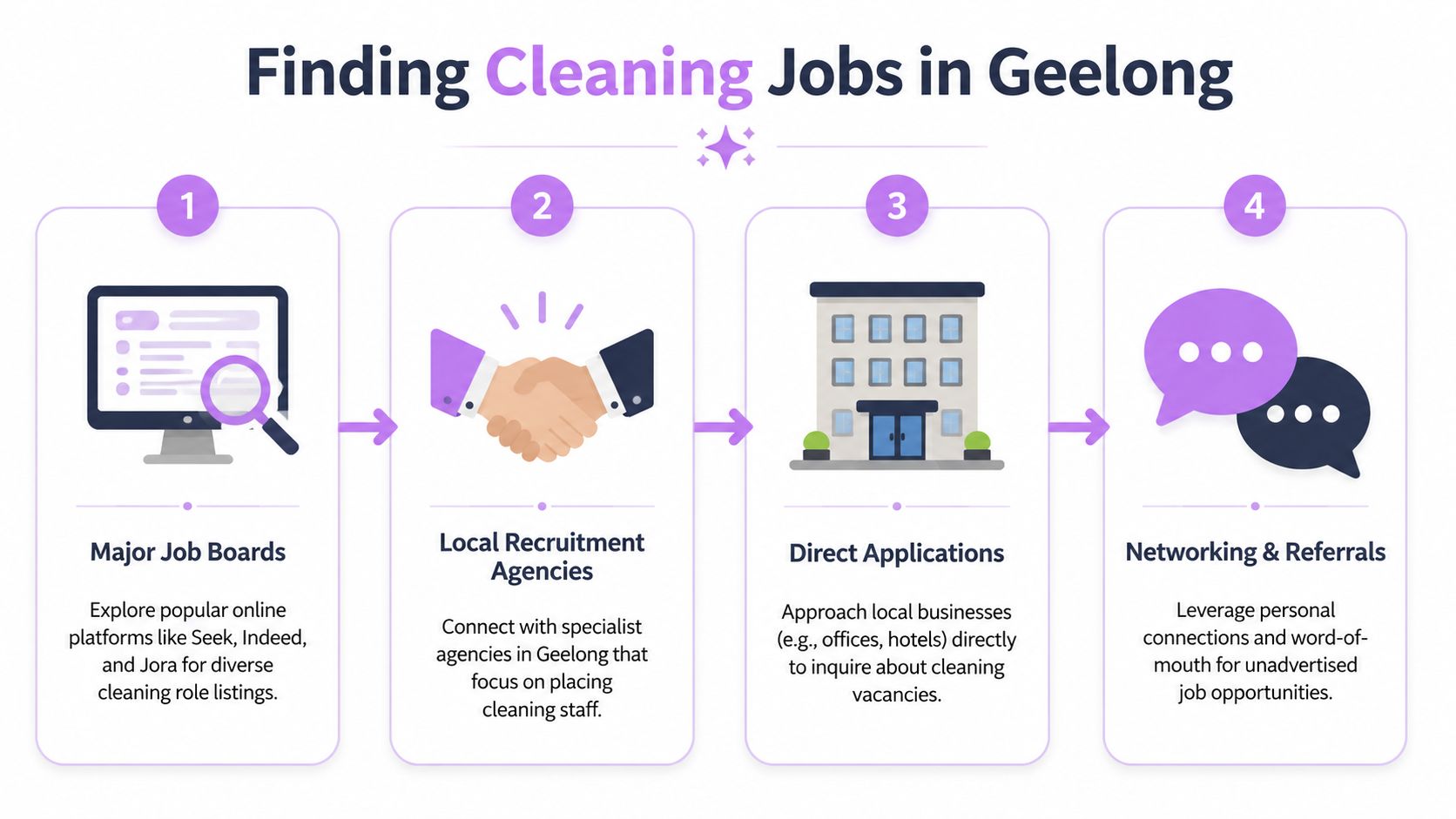
Job boards are best for seeing the market shape. They show what kinds of sites are hiring, what shift windows appear often, and which roles keep getting reposted. They're less useful if a cleaner applies to everything with the same resume.
Agencies are better for structure. A good agency gives onboarding, expectations, and a system for replacing cancellations or filling roster gaps. That matters for cleaners who want work without chasing every client themselves.
Direct applications can work well with offices, hotels, body corporates, and local operators. They require more initiative, but they can uncover work that never reaches public listings.
What usually works better than mass applying
A stronger approach looks like this:
- Choose a lane first. Apply separately for residential, commercial, or specialised work.
- Match the wording. If the ad focuses on end-of-lease detail, mention ovens, internal glass, and final presentation checks.
- Respond quickly. Cleaning roles often move fast because rosters need filling.
- Follow up properly. A short, professional message beats repeated generic emails.
For cleaners thinking beyond getting hired and toward building a bigger book of work, these proven strategies for cleaning business growth are useful because they focus on systems, positioning, and repeatable lead generation rather than random hustle.
Reliable platforms also matter. Some cleaners prefer a system that checks operators, sets job expectations properly, and supports the work after the quote, especially when safety and consistency are absolutely essential.
Creating an Application That Gets You Noticed
Most cleaning applications fail because they are too vague. Generic claims like “hardworking” and “attention to detail” carry little weight unless the rest of the application backs them up. A hiring manager wants to see the specific types of sites managed, the tasks completed, the hours available, and whether the applicant has a reliable way to get to the job.

Leading domestic agencies in Geelong commonly expect candidates to have a personal vehicle, complete video screening, pass a police check, and attend training before starting (Absolute Domestics Geelong jobs). That tells applicants exactly what to prepare before they apply.
What to put in a cleaner resume
A cleaner resume should be short and specific. It needs to answer practical questions fast.
- Site experience: homes, offices, retail, medical-adjacent environments, or builders cleans
- Core tasks: bathrooms, mopping, vacuuming, detailing, restocking, linen changeovers, end-of-lease extras
- Availability: weekdays, evenings, weekends, school hours
- Mobility: licence, vehicle access, and travel area
- Checks: police check status and any relevant onboarding already completed
Clean formatting matters because a lot of employers skim first. This guide on how to improve resume for recruiters is useful for keeping a resume readable and structured without turning it into a corporate document that doesn't fit cleaning work.
How to handle screening and quoting
If the role includes an interview or screen, answer plainly. Confirm the hours that work, mention the sites already cleaned, and don't overstate specialist experience. Overpromising causes roster churn later.
For independent or semi-independent work, the quote process often decides whether the client trusts the cleaner. The best habit is to inspect before pricing where possible, then confirm:
- Access details
- Condition of bathrooms and kitchen
- Floor type
- Pets or clutter
- Add-ons such as oven, fridge, or internal windows
A rushed quote creates two problems. The client expects one standard, and the cleaner arrives to a different job.
Cleaners who want a more structured pathway into regular work can also look at becoming a cleaner through Star Cleaner, where the focus is on practical onboarding and professional job delivery rather than vague gig-style matching.
Understanding Geelong's Pay Rates and Rostering
Pay matters, but so does the shape of the week behind the pay. A cleaner can accept a reasonable hourly rate and still struggle if the roster is broken into scattered short jobs with heavy travel and unpaid gaps.
The clearest benchmark available for local work is that the average hourly pay for a Maid or Housekeeping Cleaner in Geelong, Victoria is AU$27.09 in 2026 according to PayScale's Geelong cleaner pay data. That number is useful as a reference point, not a promise. Actual take-home value depends on the job type, who supplies equipment, how much travel is involved, and whether the cleaner is an employee or contractor.
What the local benchmark actually means
For employees, the main trade-off is lower administration and more predictable structure. The employer usually controls scheduling, scope, and client communication. That can be a major advantage for someone new.
Contractors can sometimes charge differently depending on complexity, equipment, and responsibility, but they also carry more of the hidden workload. Travel planning, supplies, insurances, client messaging, and problem resolution don't disappear. They just move onto the cleaner's side of the ledger.
Rostering patterns also change by sector:
- Residential work often suits daytime windows.
- Office cleaning commonly fits evenings or early mornings.
- Airbnb turnovers can land on weekends and tight same-day deadlines.
- Specialised jobs such as construction cleanup can run in bursts rather than steady weekly cycles.
The strongest roster isn't the one with the most hours on paper. It's the one a cleaner can complete consistently without burnout, missed arrivals, or unpaid travel swallowing the week.
Typical Cleaning Pay Rates & Schedules in Geelong 2026
| Cleaning Type | Typical Employee Rate (per hour) | Typical Contractor Rate (per hour) | Common Schedule |
|---|---|---|---|
| General residential cleaning | Often assessed against the local AU$27.09 benchmark where applicable | Varies by scope, travel, and whether equipment is supplied | Weekdays, school hours, recurring weekly or fortnightly |
| Commercial office cleaning | Often compared against local benchmark and award conditions where relevant | Varies by site complexity, lock-up duties, and consumables | Early mornings, evenings, after-hours recurring shifts |
| Airbnb and short-stay cleaning | Varies by employer setup and turnaround expectations | Often quoted per turnover or by scope rather than simple hourly pricing | Weekends, midday turnovers, short-notice bookings |
| NDIS home cleaning | Depends on provider structure and task boundaries | Varies by compliance, reporting needs, and travel | Daytime recurring services |
| Post-construction cleaning | Depends on employer and project stage | Usually scope-based due to debris, detailing, and handover pressure | Project-based, weekday blocks, occasional urgent handovers |
Your Essential Starter Kit and Training Path
Cheap gear creates expensive problems. Streaking cloths slow down bathrooms. Weak vacuums leave visible grit on hard floors. Poor chemicals waste time because the cleaner ends up scrubbing harder instead of letting the product work.
What to buy first
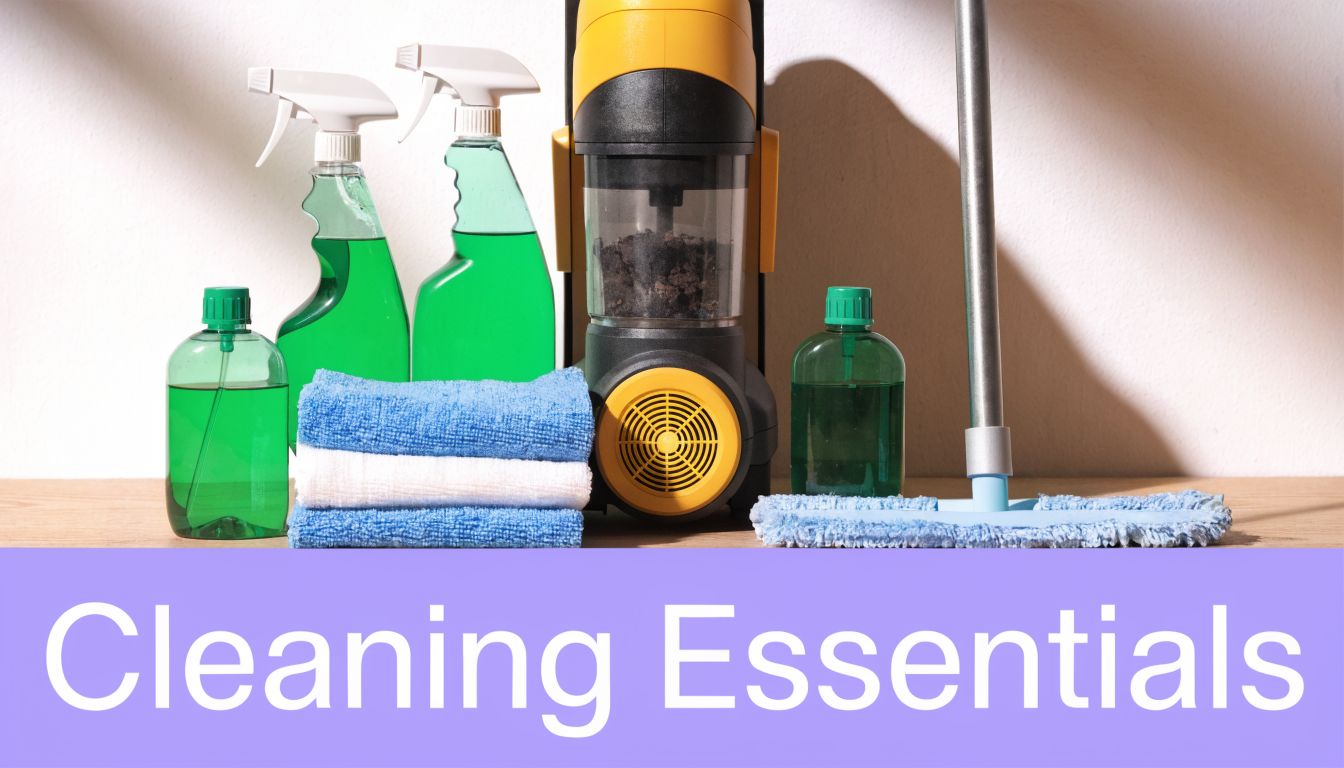
A workable starter kit doesn't need to be huge, but it does need to be dependable:
- Vacuum: one that handles hair, edges, and daily use without constant clogging
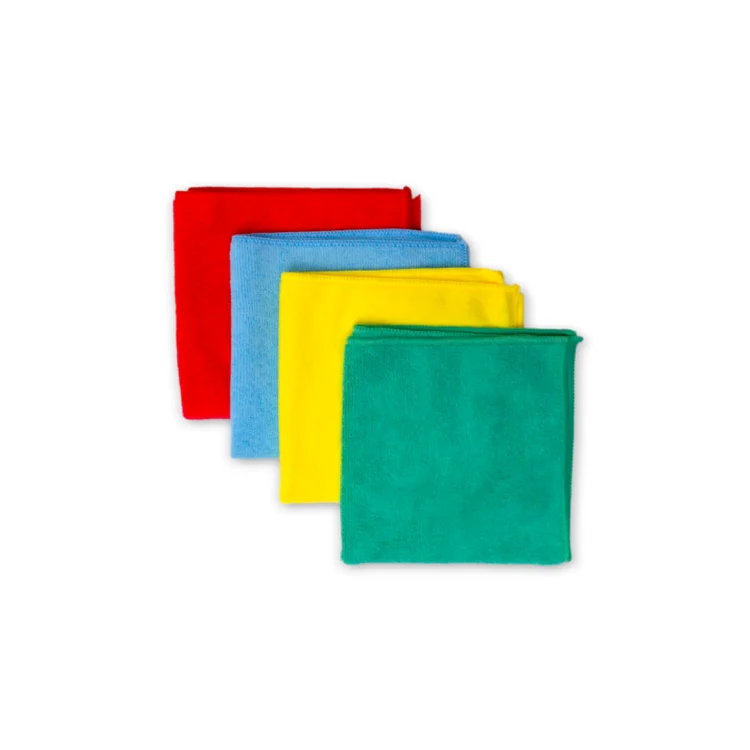
- Microfibre cloths: separate sets for bathrooms, kitchens, and glass
- Flat mop and bucket system: easier to carry and quicker for domestic and office work
- Spray bottles with labelled solutions: never turn up with mystery liquids
- Scrub pads and detail brushes: useful for grout lines, tracks, taps, and tight corners
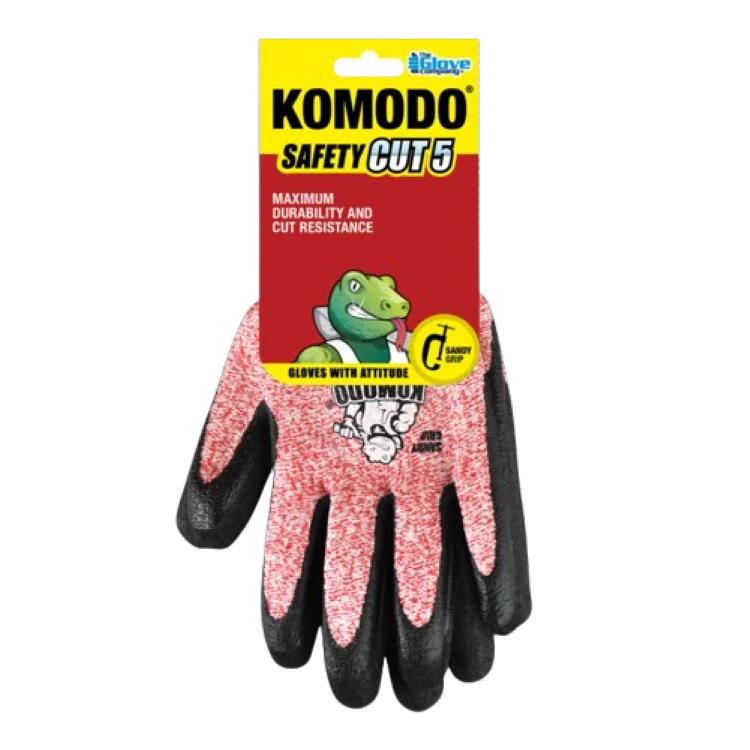
- Gloves and basic PPE: especially important for bathrooms, mould, and construction dust
For problem-specific jobs, product choice matters. Bathroom mould, baked-on grease, and soap-scum buildup each need different chemistry and the right dwell time. For cleaners who want commercial-grade options without guessing, the Star Cleaner Shop eco-friendly cleaning range is one practical place to source products and equipment used in real-world residential and commercial work. If a job includes grease-heavy stovetops or bathroom mould, using the right product saves time and protects surfaces.
Training that opens better work
Training isn't just for beginners. It's what moves a cleaner from general labour into more trusted and better-organised work. Infection control, hard floor care, carpet extraction, safe chemical handling, and site-specific routines all change how employable a cleaner becomes.
A cleaner who can follow a proper system is easier to roster on sensitive sites. A cleaner who understands floor finishes, residue control, and safe dilution is easier to trust on premium homes and specialist jobs.
For structured upskilling, the Star Cleaner Academy Australia training pathway offers practical development tied to real cleaning work rather than generic theory. That's useful for cleaners who want to progress from basic domestic jobs into more specialised roles over time.
Frequently Asked Questions About Geelong Cleaning Jobs
Some questions come up in almost every conversation with new cleaners. The answers usually depend on the kind of work being taken on and how much responsibility the cleaner wants to hold personally.
Do new cleaners need an ABN
Not always. Employees usually don't. Independent contractors usually do. The more important question is whether the cleaner wants contractor responsibilities, including quoting, record-keeping, supply costs, and schedule gaps.
Starting as an employee or under a structured agency model is often simpler for beginners. It gives cleaner feedback loops and fewer moving parts.
Do cleaners need to bring equipment
Sometimes yes, sometimes no. Residential independent work often requires a full kit. Employer-managed commercial sites may supply some or all equipment. The cleaner should ask before accepting the job, not after arriving on site.
If the role is vague about products, equipment, or replenishment, that's a warning sign. Scope confusion usually turns into payment confusion.
What makes a cleaner easier to roster
Three things matter most:
- Reliable transport so late arrivals don't become routine
- Clear availability instead of changing hours every week
- Accurate self-assessment of what work the cleaner can handle
A cleaner who says yes to every niche too early usually creates problems. It's better to be known for one service type done properly than for taking everything and missing standards.
Is specialised work worth chasing early
Only if the cleaner has the right support, tools, and training. NDIS, short-stay, and post-construction work can all become solid pathways, but each one has different expectations around communication, presentation, and scope control.
The fastest career growth in cleaning usually comes from doing ordinary work extremely well, then adding specialist skills one layer at a time.
What should applicants look for in a platform or employer
Look for clear scopes, proper screening, realistic scheduling, and a process for handling issues when a job changes on site. Safety checks and consistent standards matter. So does how the organisation handles client expectations before the cleaner arrives.
A platform built around reliable scheduling, safety-checked operators, and clear service delivery is usually easier to work within than a loose marketplace where every job starts with uncertainty.
For cleaners and clients who want a more organised way to manage residential, commercial, Airbnb, NDIS, and specialised cleaning work, Star Cleaner Australia Pty Ltd provides a system built around vetted operators, safety checks, clear quoting, and a 100% satisfaction guarantee. It's designed for people who value reliability, proper support, and professional standards from booking through to completion.